
As vehicle prices continue to skyrocket, and payments reach new highs every year, it’s important to remember that some vehicles are still out there which are more basic and come at a price that won’t cost you a kidney.
One such vehicle is the Hyundai Venue, a subcompact SUV that’s about as affordable as you’ll find today.
I recently tested a 2026 Hyundai Venue SEL model, and I’m back with a full report on what you’ll get from this budget-friendly ride, which competes with other small SUVs such as the Kia Soul, Volkswagen Taos, Chevy Trax and Mazda CX-30.
Additional Info
- Vehicle 2026 Hyundai Venue
- Price as tested $24,440 (starts around $22K)
- Best feature Nimble drive, extremely affordable
- Rating 3.5 out of five stars
- Who will want this vehicle? City drivers and commuters who want a compact SUV that will serve them well for a low price
Some vehicles are hard to define, but the 2026 Mazda CX-70 is about as straightforward as it gets.
Take a 3-row Mazda CX-90, remove the third row, and you essentially have the CX-70. There are other minor differences, but for folks who don’t need a third row and want to focus on cargo space, the CX-70 is the Mazda model aimed at them.
With sharp and upscale design, both inside and out, and the traditionally powerful Mazda driving ability, the CX-70 makes a clear case as one of the best SUVs for sale today, and straddles the line between luxury and nonluxury vehicles.
Read on to learn 5 key things you need to know about the 2026 Mazda CX-70 — and how it compares to a variety of SUV alternatives.
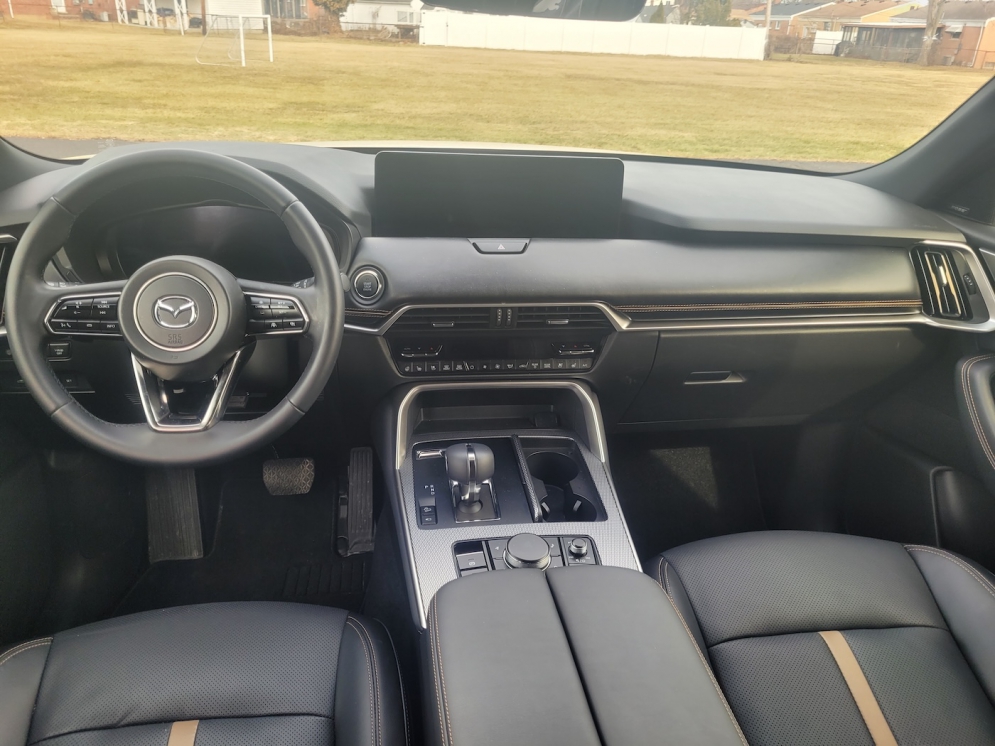
With fuel costs an issue that remains on top of the minds of so many Americans right now, hybrid vehicles are definitely having their moment. Without committing fully to an EV or a Plug-in Hybrid, the standard hybrid option allows drivers the opportunity to stretch their time between fill-ups without spending too much more on their vehicle.
One vehicle that’s relatively new to the hybrid market is the Mazda CX-50 hybrid, which enters its second year with the 2026 model. Only minor changes have been implemented for the 2026 model year, including standard wireless phone charging, updates to the grille design, and improvements to the transmission.
I recently had the chance to test this hybrid offering from Mazda, and I’m back with a full report on how it compares both within the Mazda lineup, and to rival hybrids from Toyota, Honda, Hyundai and others.
Additional Info
- Vehicle 2026 Mazda CX-50 hybrid
- Price as tested $43,655 (starts around $35K)
- Best feature Luxury-level interior; sharp handling, strong fuel economy
- Rating 4 out of five stars
- Who will want this vehicle? Mazda fans who want to get some extra mileage from their SUV

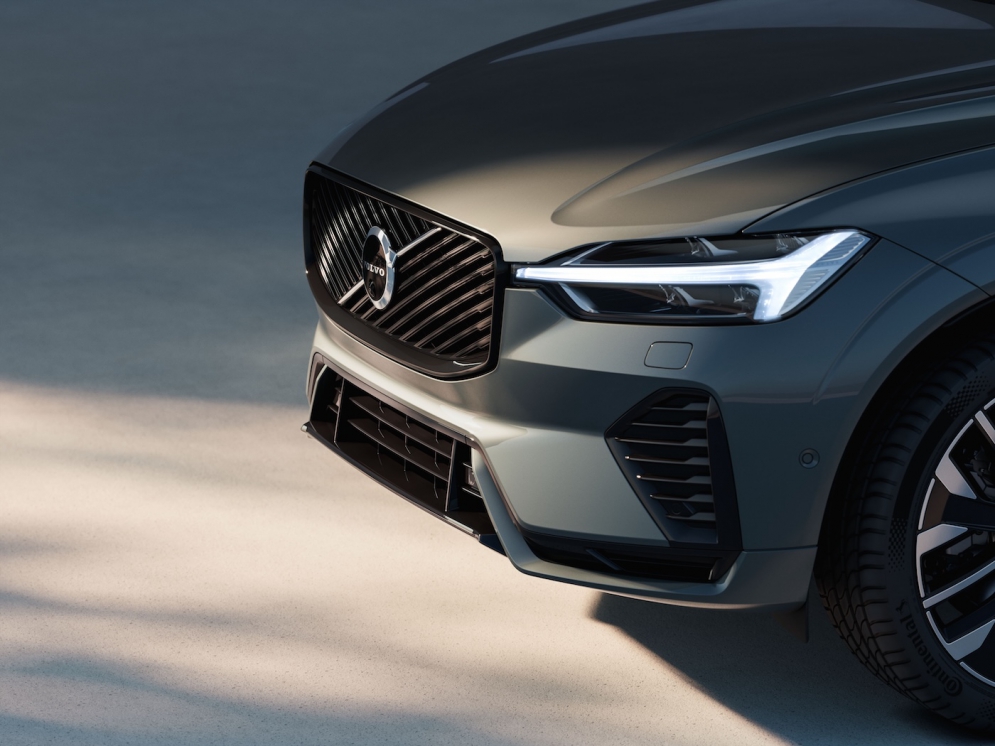
The big question with the growth of EVs is how can automakers make them relatively affordable. With so many new models coming in at or near the six-figure range, anyone who offers an EV that’s affordable in comparison is going to get some attention.
I recently tested one such vehicle, the subcompact luxury EV from Volvo called the EX30, and I’m back with a full report. Starting with a base price around $40K for its single-motor option, which is much lower than most luxury EVs, and close in price to several non-luxury EVs, it holds a unique place in the market.
This model returned for a second year in 2026, but unfortunately will not be back in the U.S. in 2027 (for a variety of reasons, including tariff impacts), so those who want to take one home are facing a short timeline. (It will continue to be sold in other countries)
Additional Info
- Vehicle 2026 Volvo EX30
- Price as tested $40,745
- Best feature Plenty of power, blistering 0-to-60 speed; low entry cost for a luxury EV
- Rating 3.5 out of five stars
- Who will want this vehicle? EV buyers looking for something more affordable but still packing significant power, and who don’t mind limited interior space

Depending on who you ask, EVs are either all the rage, or not ready for prime time.
But one thing can be agreed on by everyone: One important factor in EV success will be getting prices under control so more Americans can afford them.
Hyundai is aware of this, and has done their part to increase affordability on their most popular EV — the Ioniq 5 — trimming prices to make up for the loss of the federal EV tax credit.
I recently spent some time behind the wheel of the 2026 Hyundai Ioniq 5, and I’m back with a full report on how it holds up against rival EVs from Tesla (Model Y), Ford (Mustang Mach-E), Kia (EV6) and Volkswagen (ID.4).
Additional Info
- Vehicle 2026 Hyundai Ioniq 5
- Price as tested $51,815 (starts around $36K)
- Best feature Powerful ride, solid EV range
- Rating 4.5 out of five stars
- Who will want this vehicle? Buyers looking for an affordable, well-rounded and tech-savvy electric vehicle

News Categories

Popular Tags
Search Reviews by Make

AutoTechReviews is your home for In-depth reviews of the latest cars, trucks, and SUVs; information on all the emerging vehicle technology; and breaking news from the world of NASCAR and other motorsports.