LOOKS
There is no shortage of competitors for the Palisade — including three-row SUV options like its corporate cousin the Kia Telluride, Toyota Grand Highlander, Mazda CX-90, Honda Pilot and more. There are also some off-road friendly competitors such as the Ford Explorer Tremor and Nissan Pathfinder Rock Creek.
Entering its second generation in 2026, after launching as a new model for the 2020 model year, the Palisade is now completely redesigned. It’s Hyundai’s largest SUV offering, the ICE equivalent of the Ioniq 9 electric SUV offered by the brand.
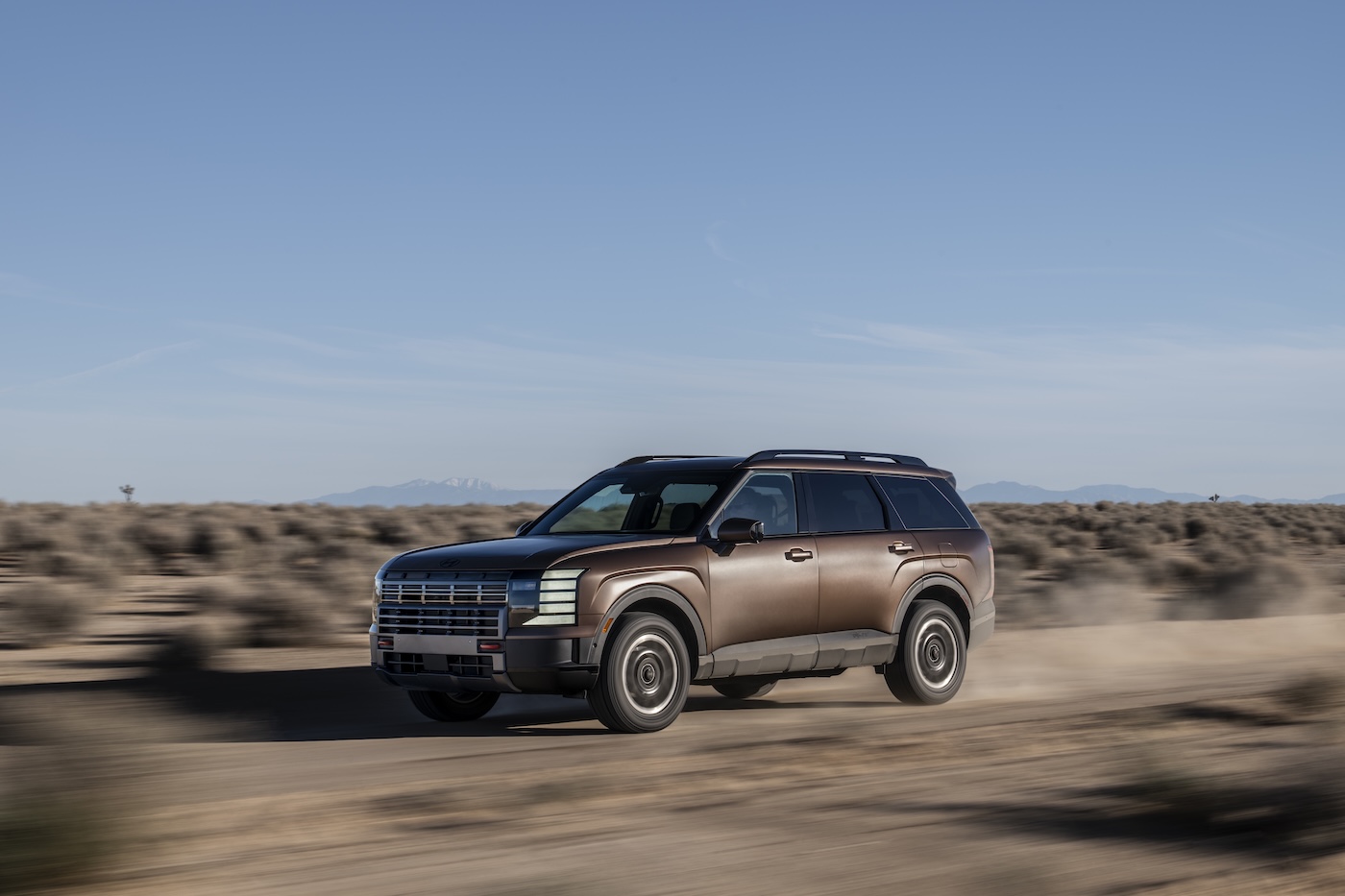
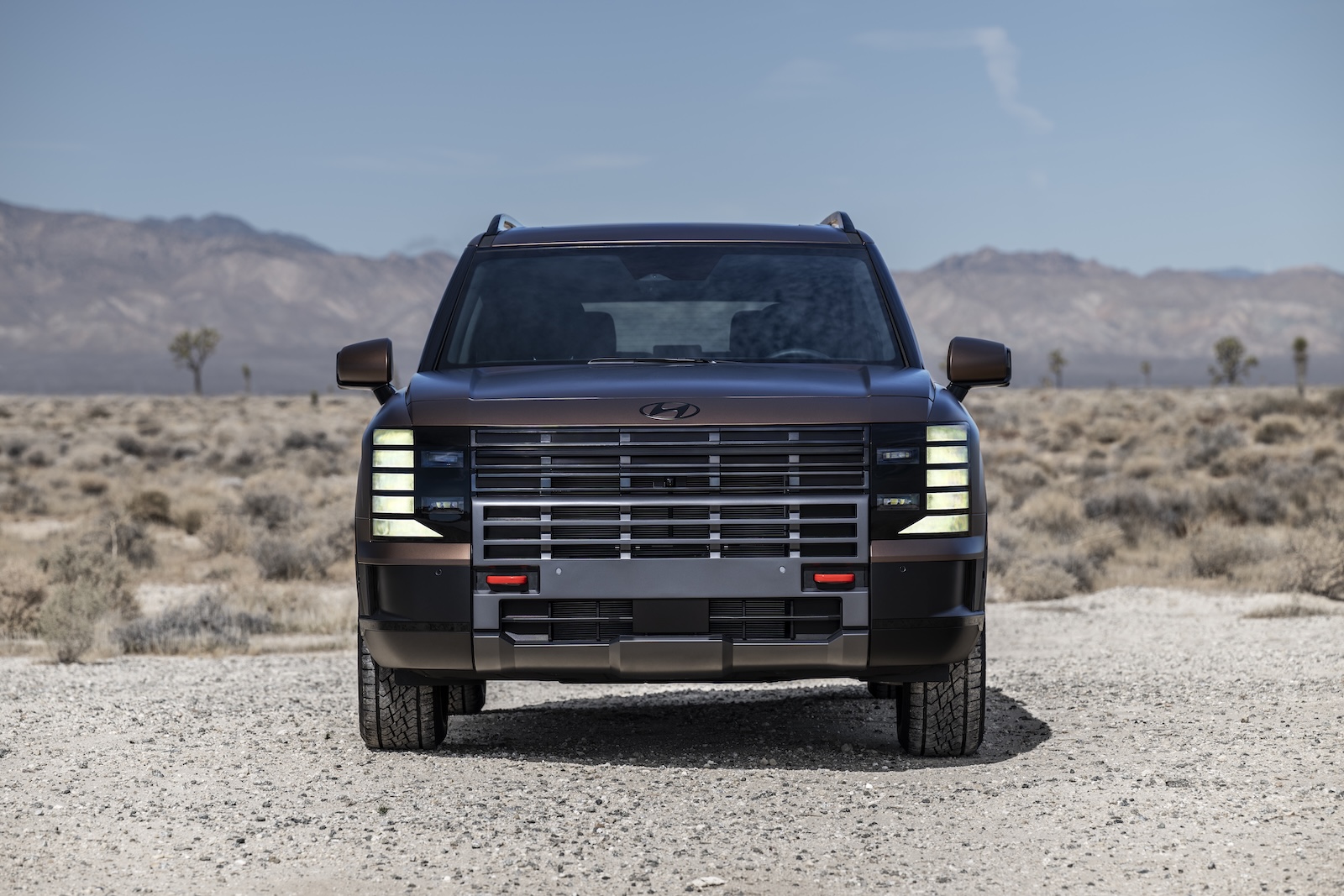
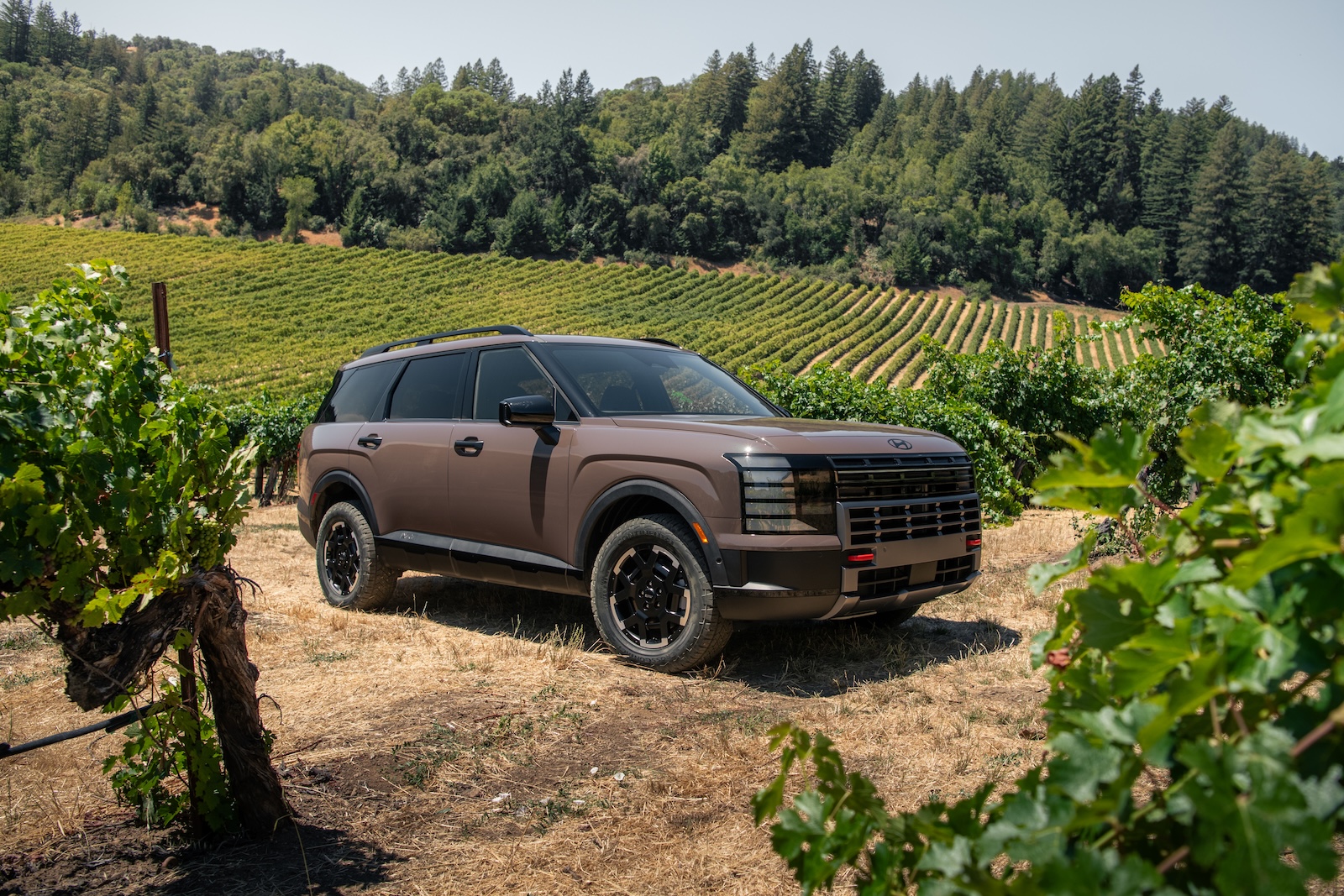
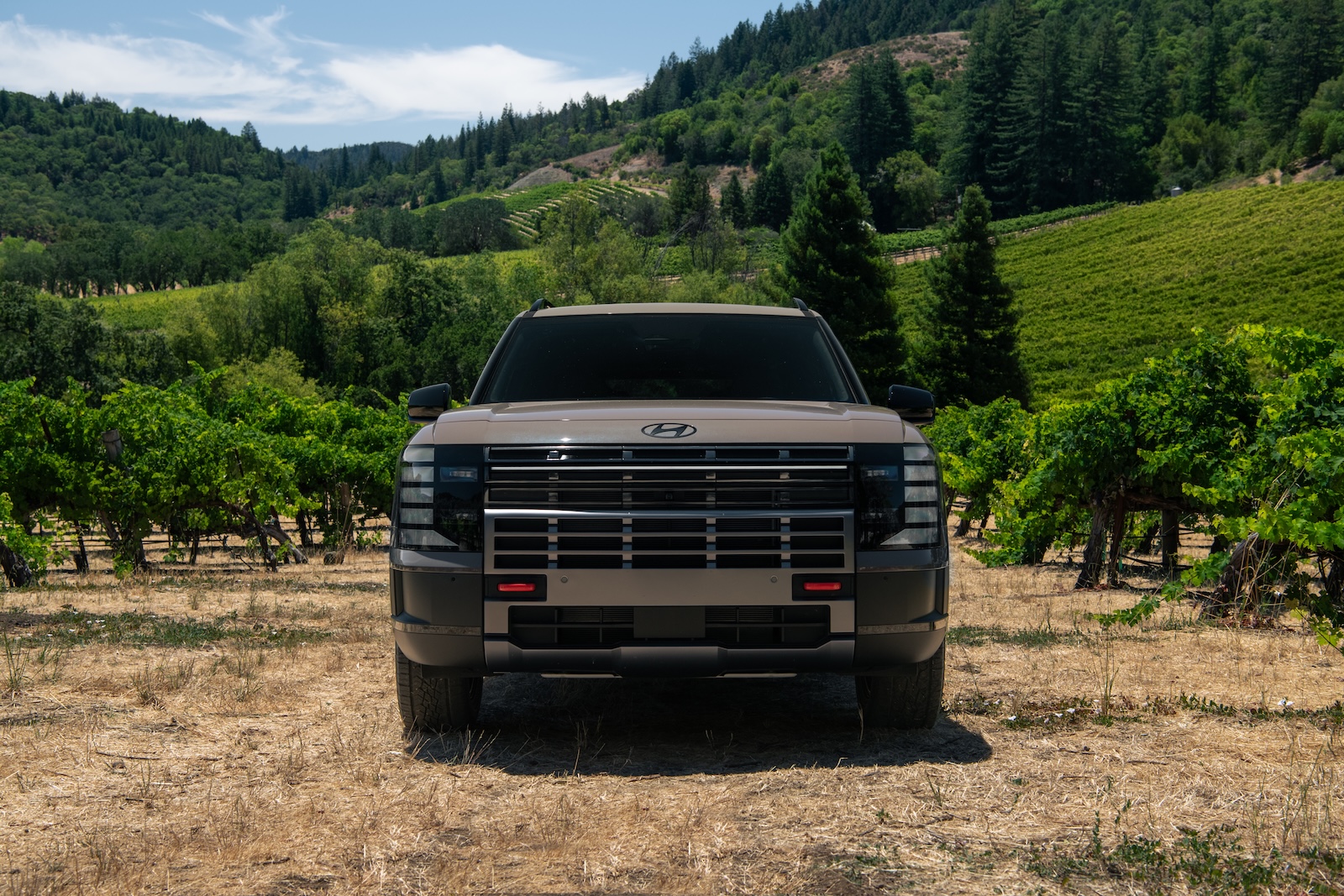
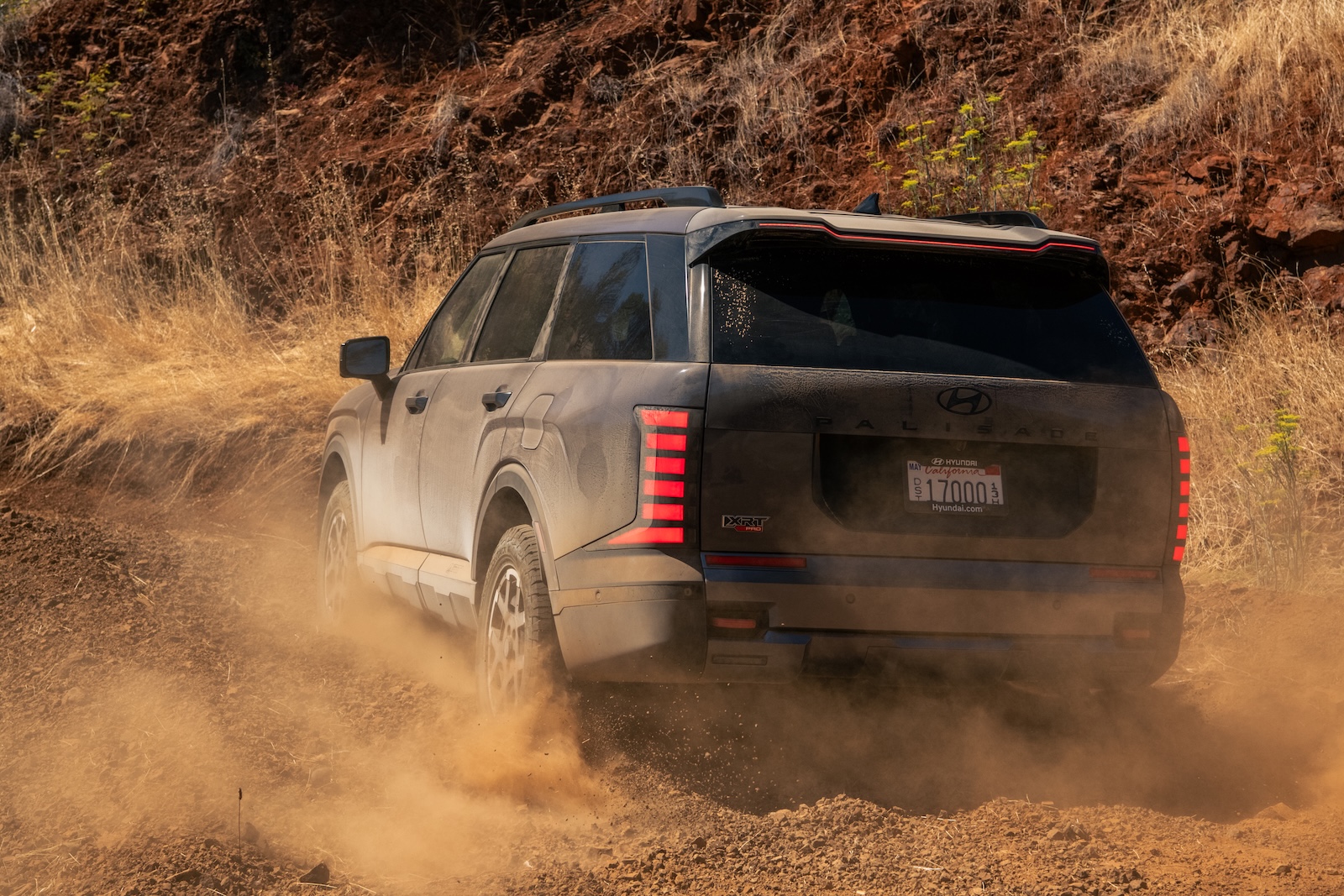
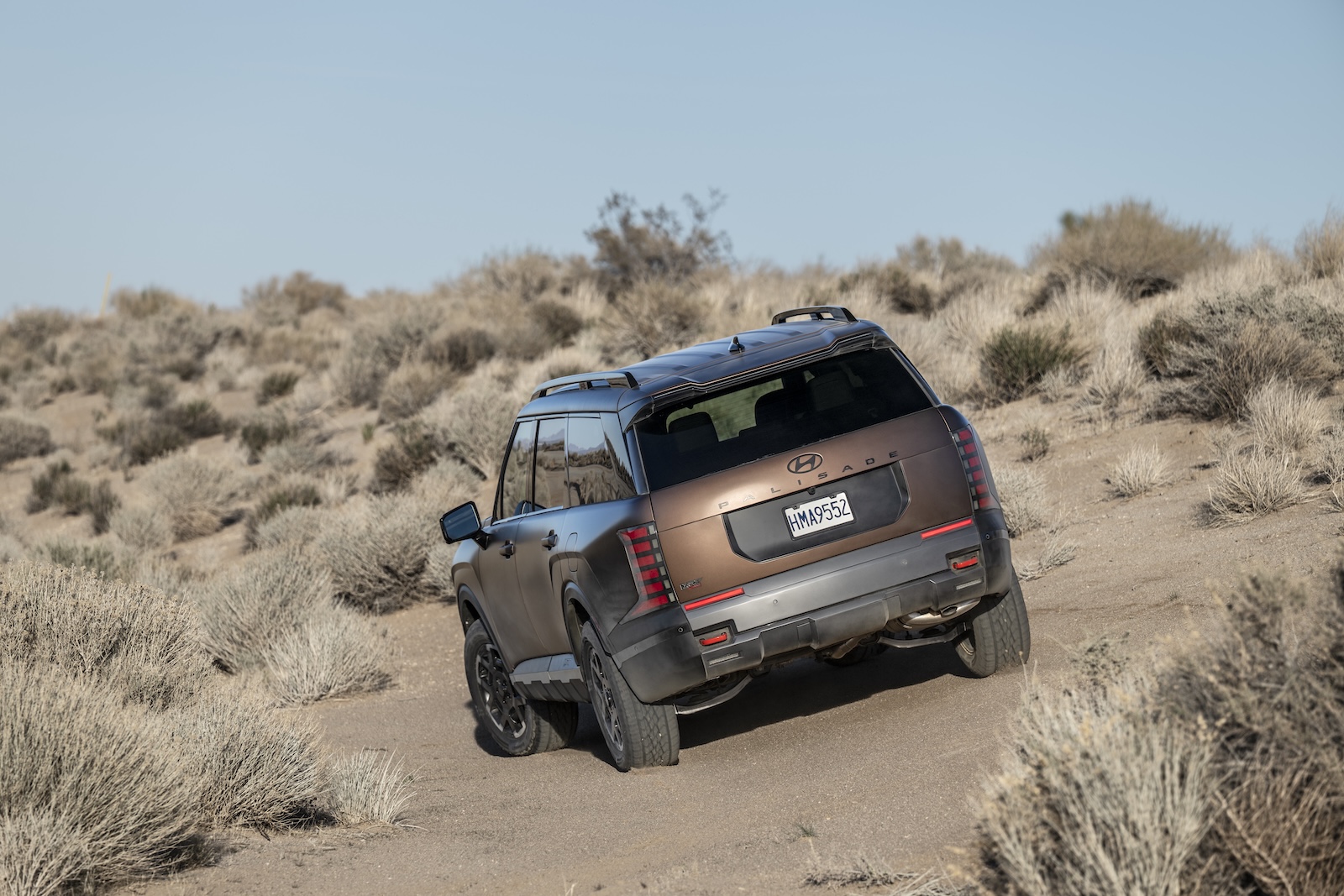
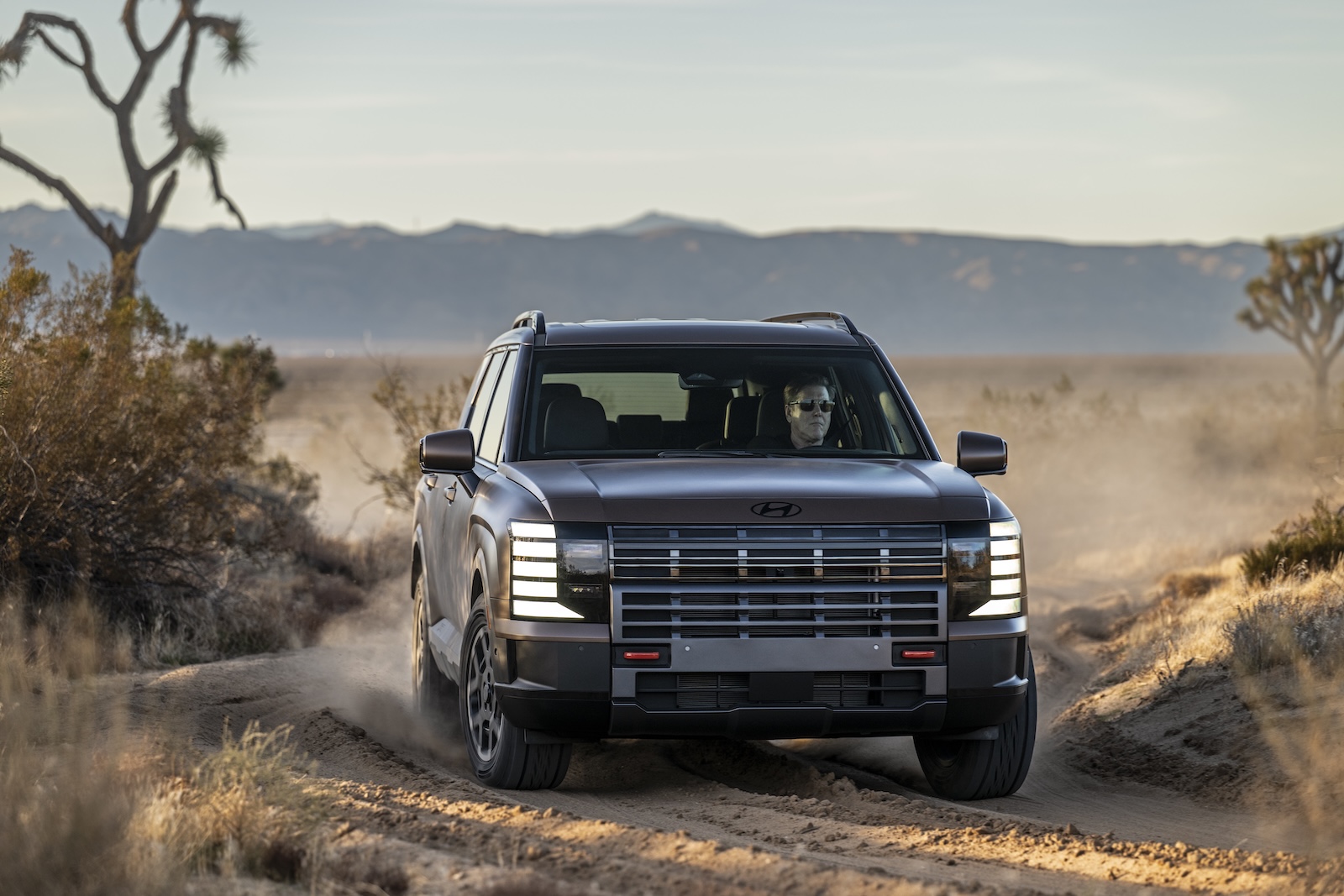
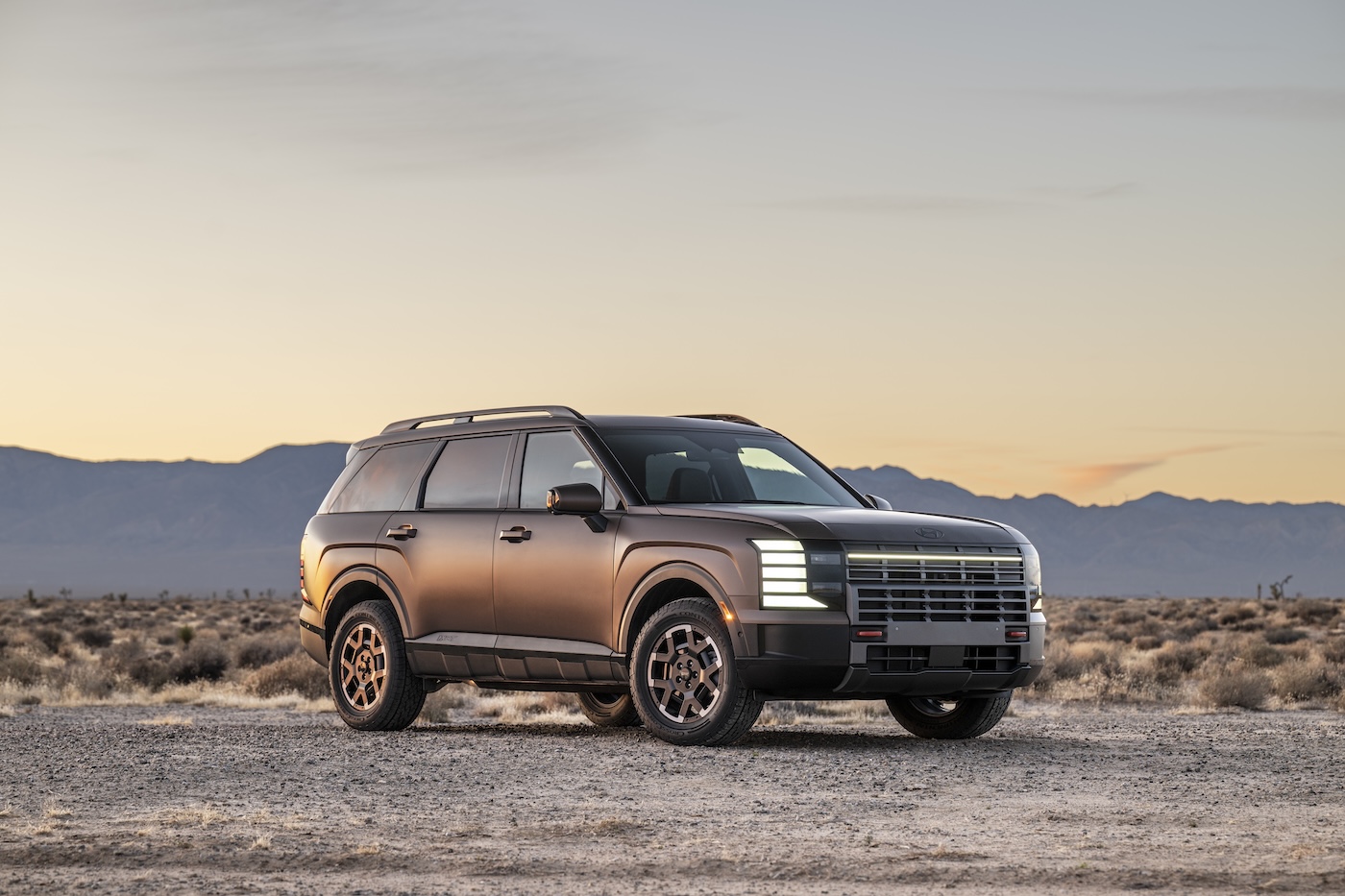
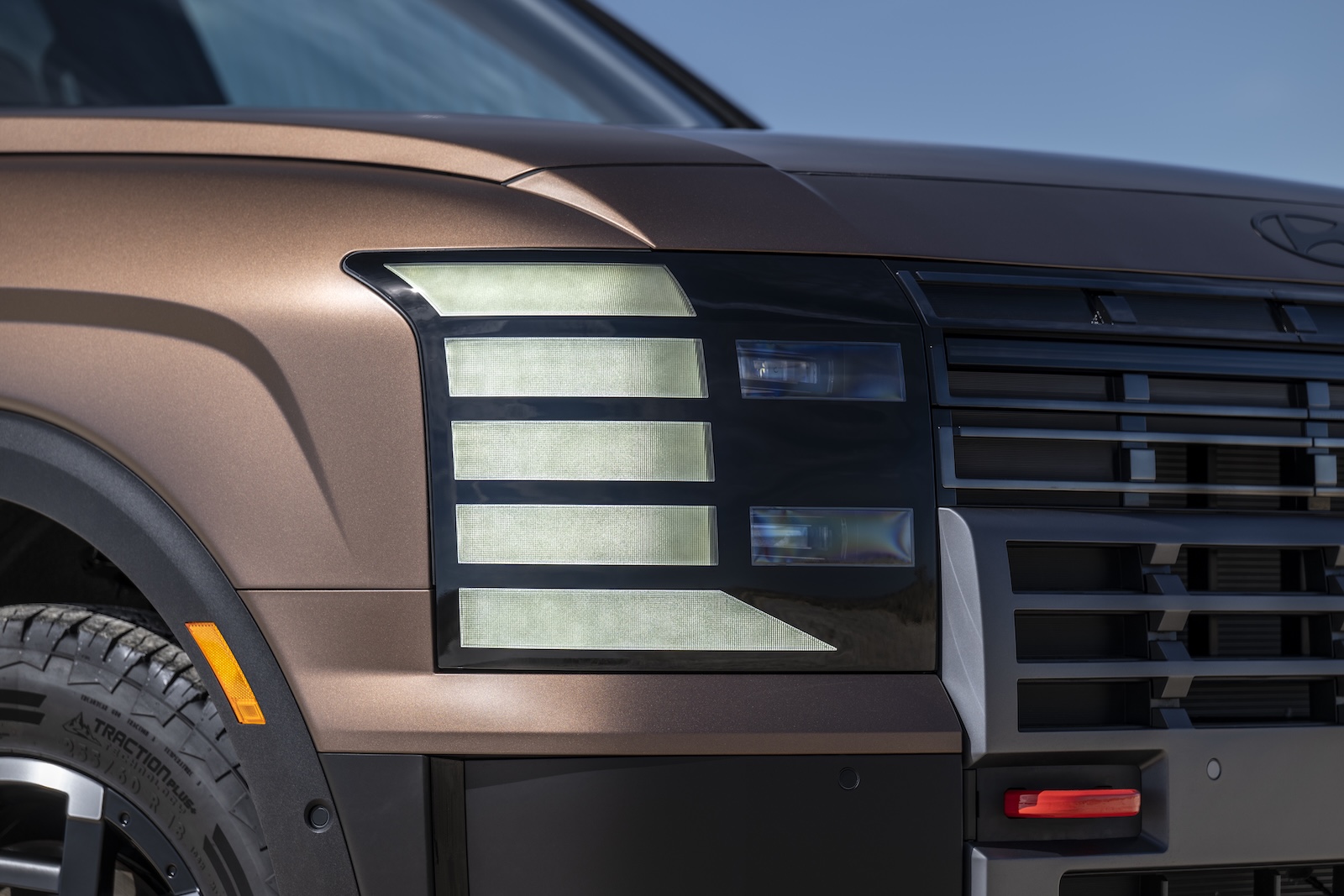
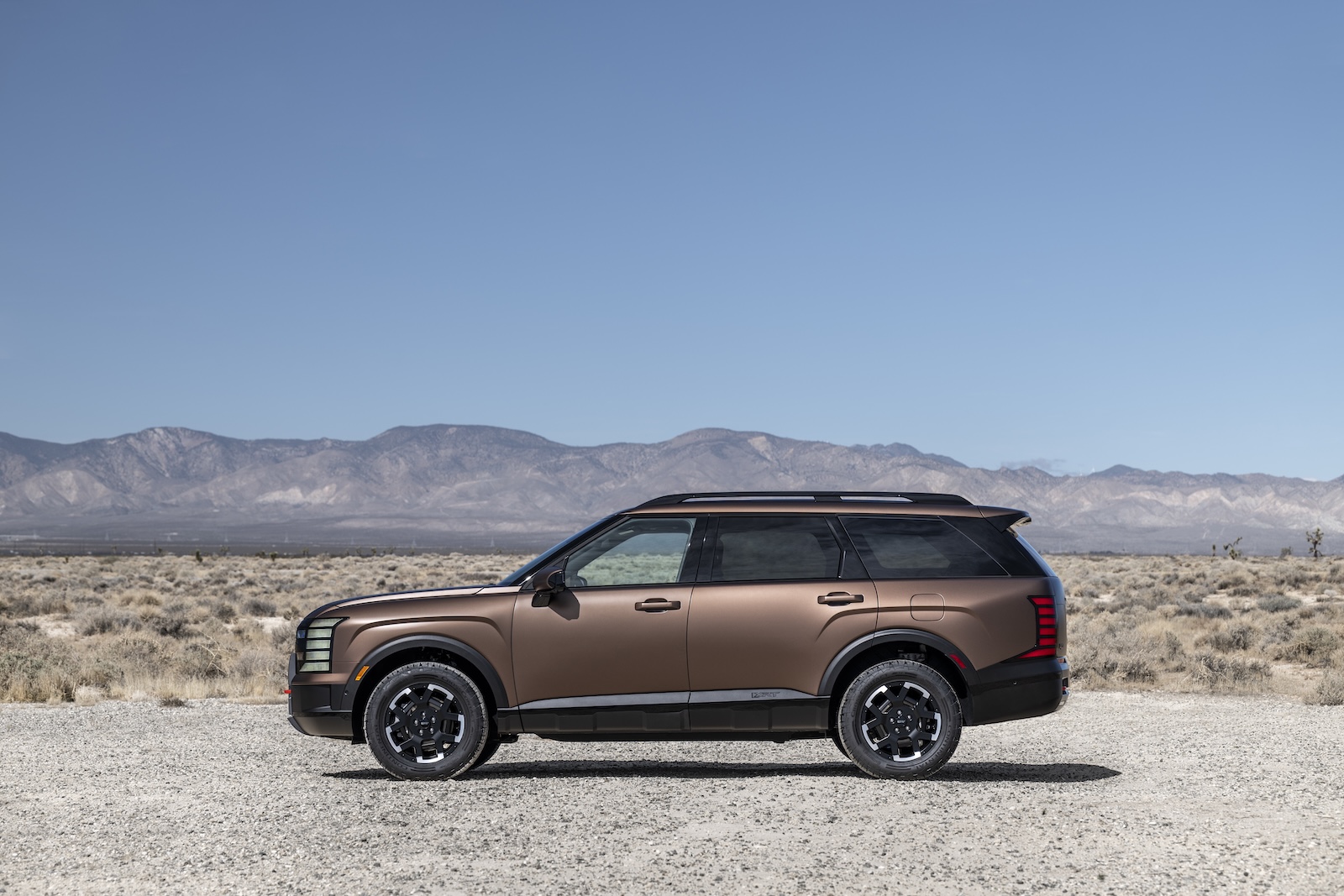
The Palisade’s new design looks quite modern and features a longer wheelbase, boxy styling, rugged-looking grille, innovative designs on the LED lighting features, a power sunroof, and more. All in all, it’s a home run of a look that sets it apart from rival SUVs. And it sets a new standard as Hyundai’s flagship SUV for the foreseeable future.
A variety of strong color options are available, including: Abyss Black Pearl, Typhoon Silver Metallic, Creamy White Pearl, Ecotronic Gray Pearl, Cast Iron Brown Pearl, Galaxy Maroon Pearl, Titan Charcoal Pearl, Classy Blue Pearl, Robust Emerald Pearl, and Earthy Brass Matte.
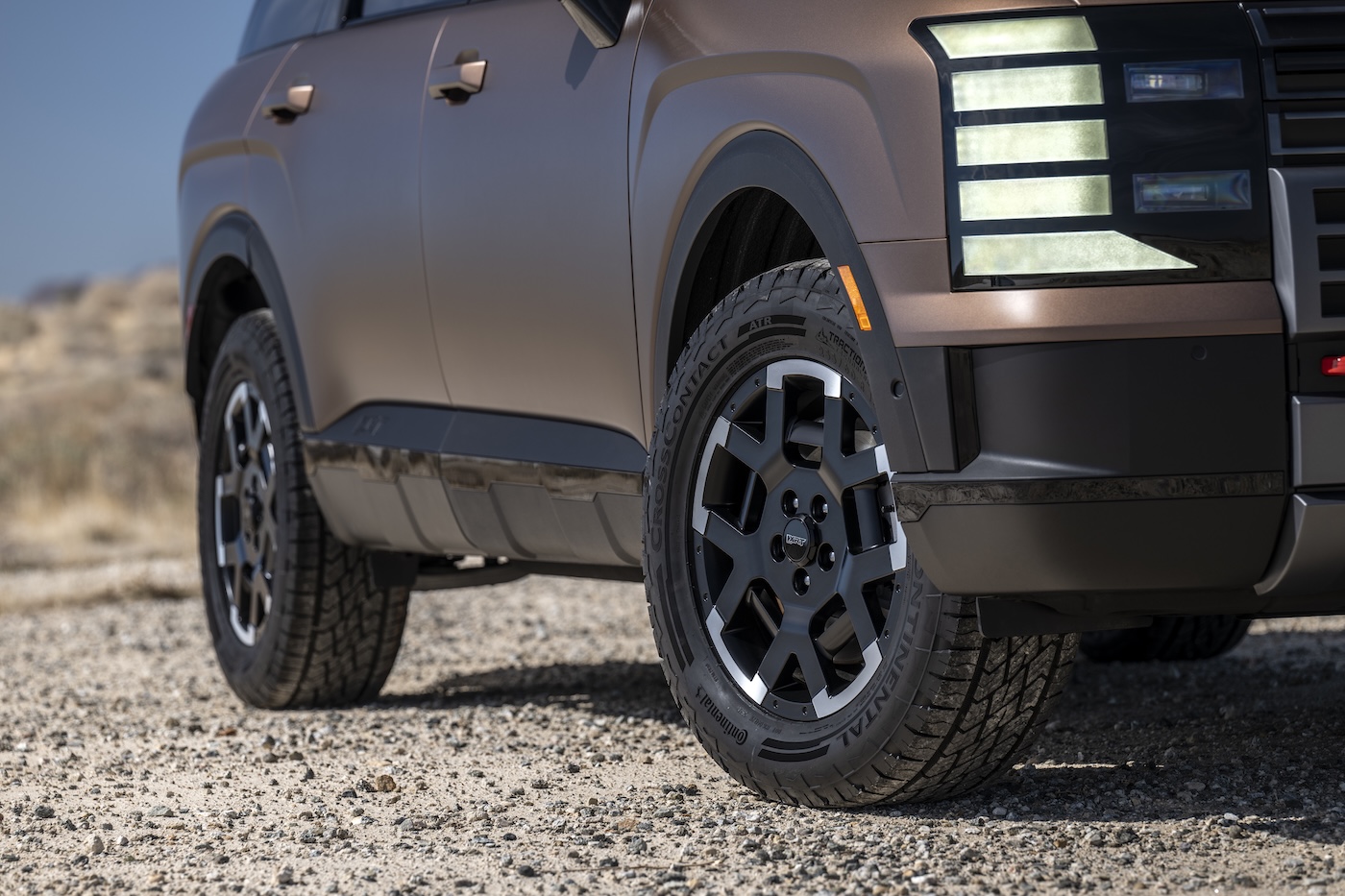
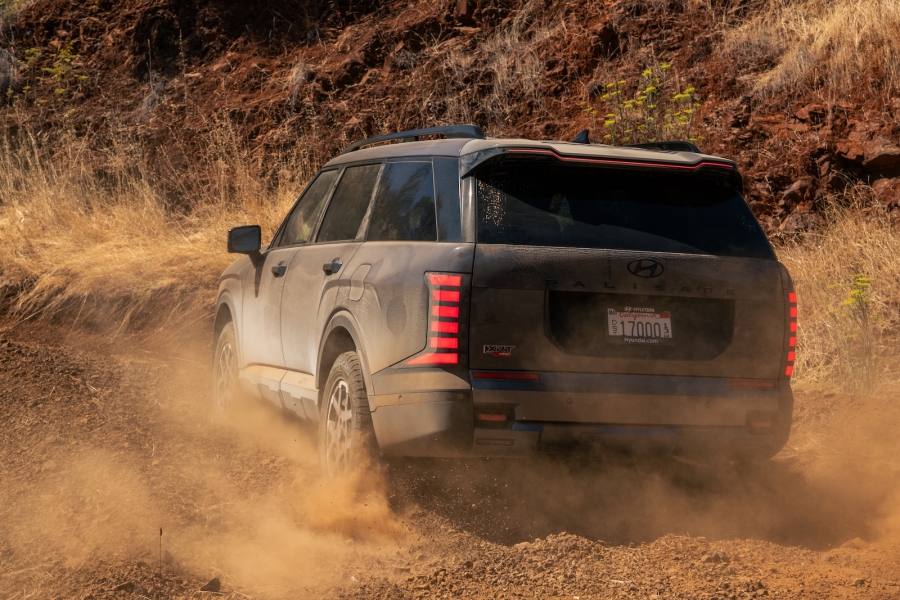
The off-road friendly XRT Pro version of the Palisade offers roof side rails, higher ground clearance, all-terrain tires, and a variety of off-road capabilities that will appeal to more adventure-friendly types.
Wheel size options on the Palisade go as high as 21 inches on the top-trim level Calligraphy models, and it shares a platform with the Kia Telluride, another strong SUV option.
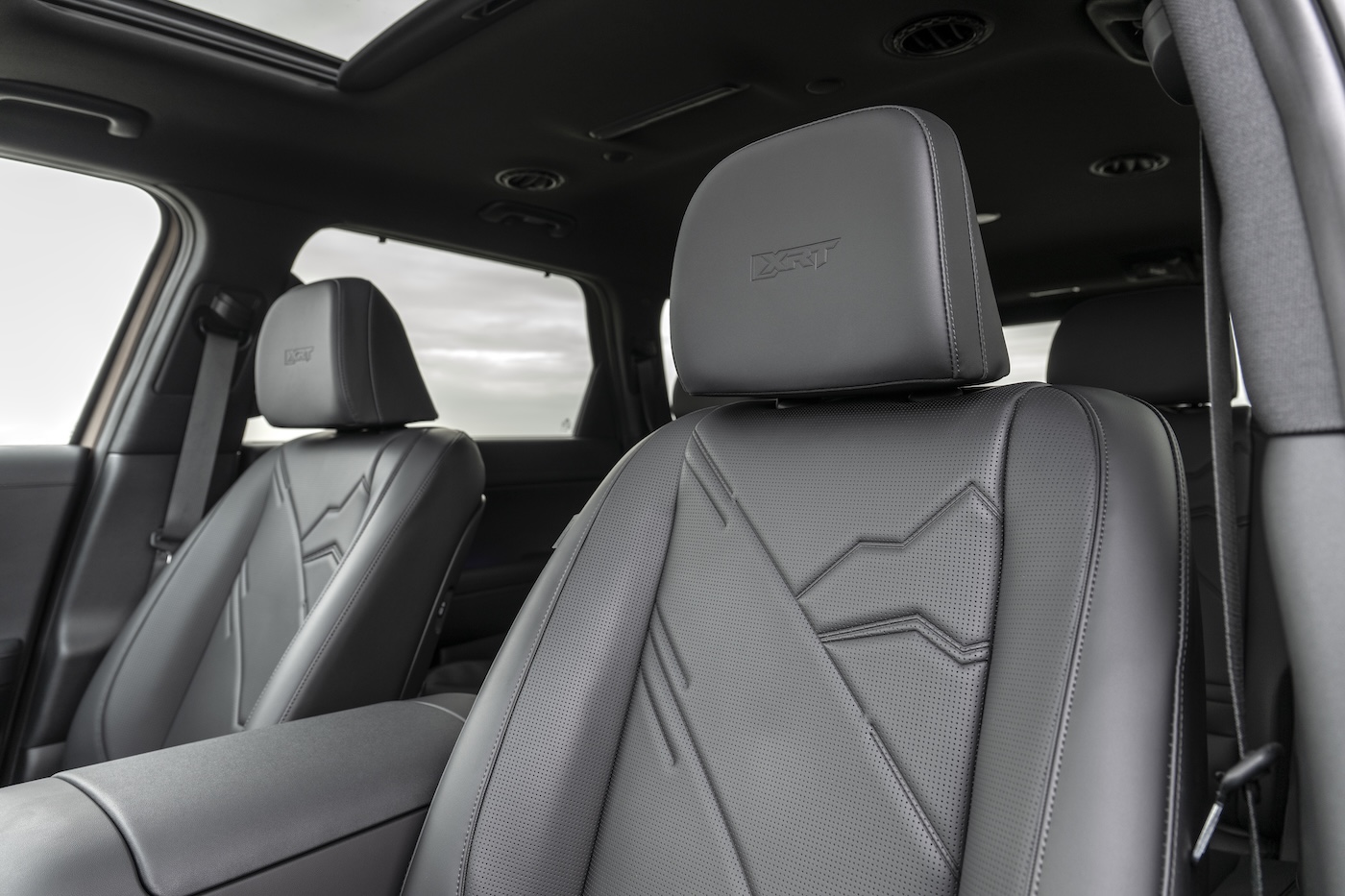
Moving inside the new Palisade, you’ll be instantly impressed by its classy and upscale design. Seating is offered for 7 or 8 passengers (depending if you get the Captain’s Chairs or the bench seat in the middle row), and everyone including third row passengers will have plenty of head room and leg room to enjoy (which is rare, as third rows tend to be very tight).
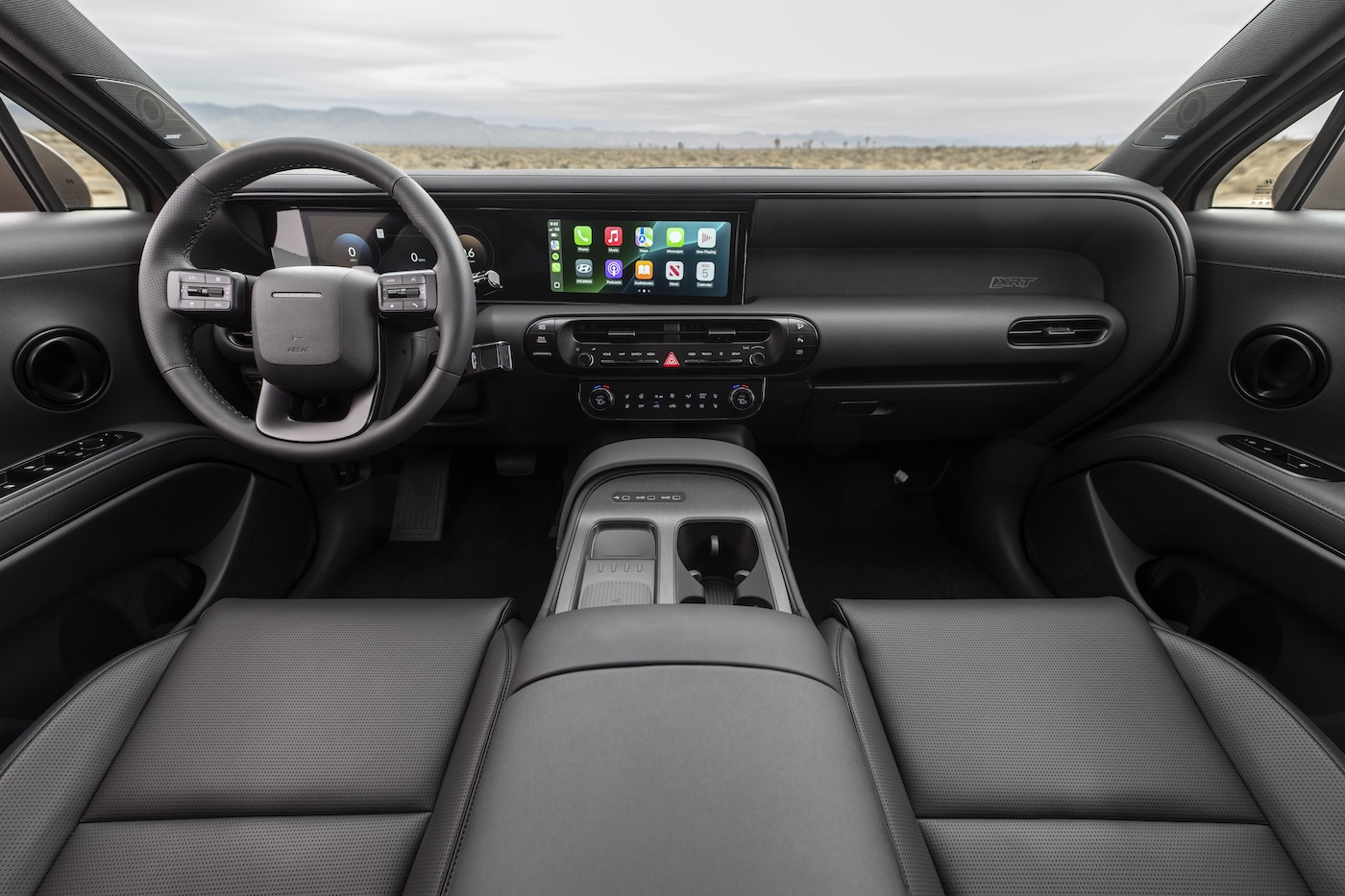
The modern look of the tech setup is also sharp up front in the new Palisade, and improves on previous setups. Materials used on seating and throughout the Palisade are soft and smooth, high-end quality, and among the best you’ll find in class. They’re borderline luxury level quality, in a vehicle that costs much less than you’d pay for a three-row luxury SUV. The fanciest materials will be found in the top Calligraphy trim level on the Palisade.
Cargo space is also solid, coming in at 87 cubic feet with the rear two rows down, 46 cubic feet with the third row down, and 19 cubic feet with all rows up. This isn’t best in class numbers, but it’s strong enough that the difference won’t be a deal-breaker.
Interior features on the Palisade XTR Pro include:
— H-Tex trimmed synthetic leather seating (which was comfortable on drives long and short)
— Heated and ventilated power front seats
— Extremely comfortable middle-row Captain's Chairs|
— Middle-row manual window curtains
— Heated steering wheel
— 3-zone automatic temperature control
— Ambient interior lighting
Depending on trim, Interior seating materials offered on the 2026 Palisade include cloth, leatherette, leather, and premium Nappa leather. There is ample small storage space and cupholders throughout the vehicle for the whole family, and accessing the third row can easily be done with a touch of a button. All in all, the excellent interior design on the Palisade is just one reason why it took home the NACTOY honor.
HOW’S THE RIDE?
The 2026 Hyundai Palisade is powered by an impressive 3.5-liter, V6 engine, which is paired with an 8-speed automatic transmission, and delivers a solid 287 horsepower and 260 pound-feet of torque.
Paddle shifters are also included if you’d like to have more control over the shifting.
The Palisade also comes in a hybrid version, which pairs a gas engine with two electric motors and offers 329 horses and 339 pound-feet, and includes a 6-speed automatic transmission. The Palisade comes in FWD and AWD versions.
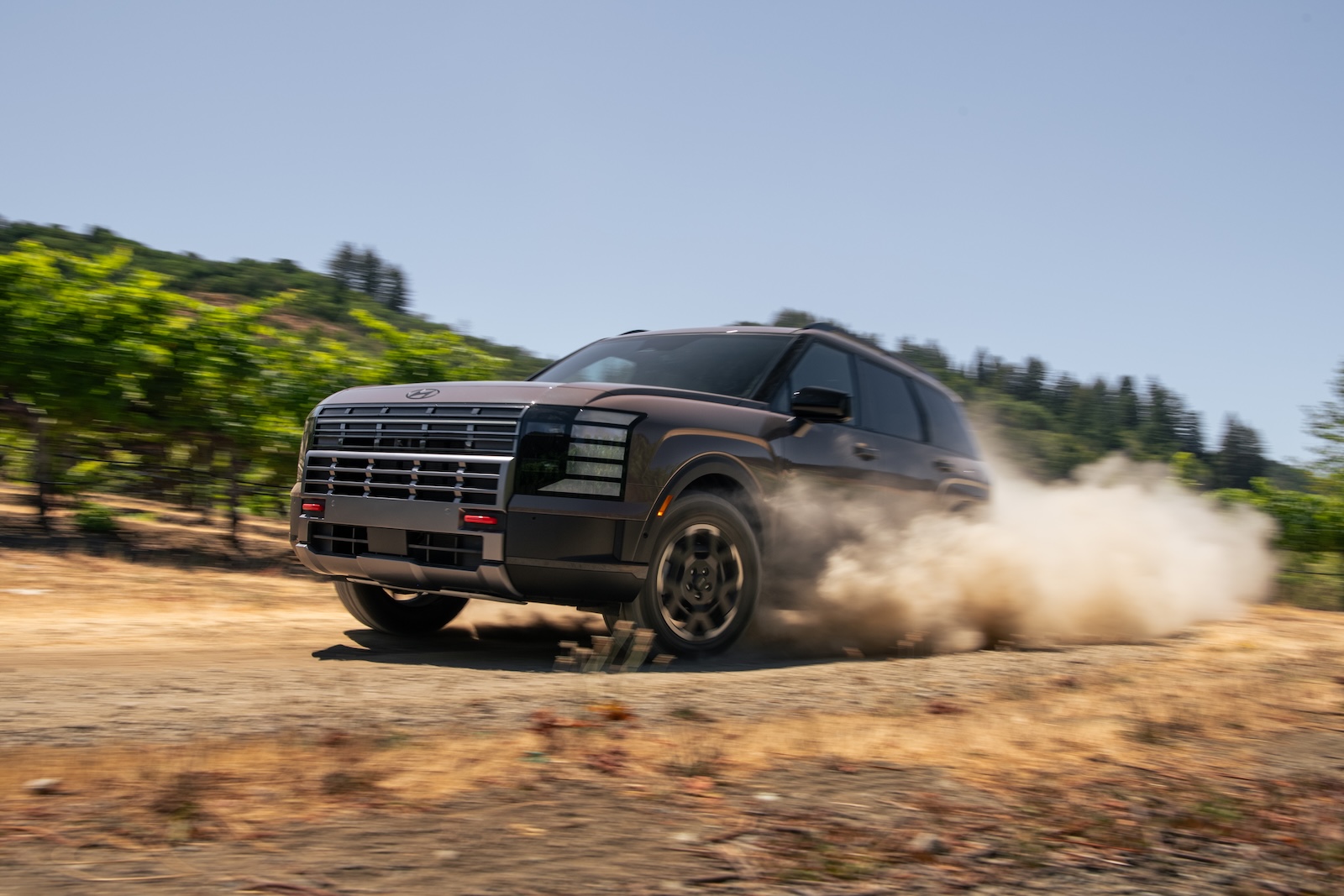
The ride in the Palisade is quiet, smooth and enjoyable overall, and one you’ll look forward to experiencing. It handles well on both straight and windy roads, and the drive feels like you’re in a much smaller and more nimble vehicle than the Palisade’s size would indicate.
Its biggest limitation is acceleration. The 0-to-60 speed comes in about 8 seconds for the regular Palisade, and 7 seconds for the hybrid. These numbers are slower than most competitors in the three-row SUV segment, and notably it is slower than the previous version of the Palisade (due to an increase in weight). So you won’t win any races, but it’s more than adequate acceleration for passing on the roadways and merging on the highway. Rival vehicles that focus more on power and performance include the Mazda CX-90 and Ford Explorer.
The 2026 Hyundai Palisade offers multiple drive modes (Eco, Normal, Sport, Smart), in addition to the additional terrain modes on the XRT Pro.
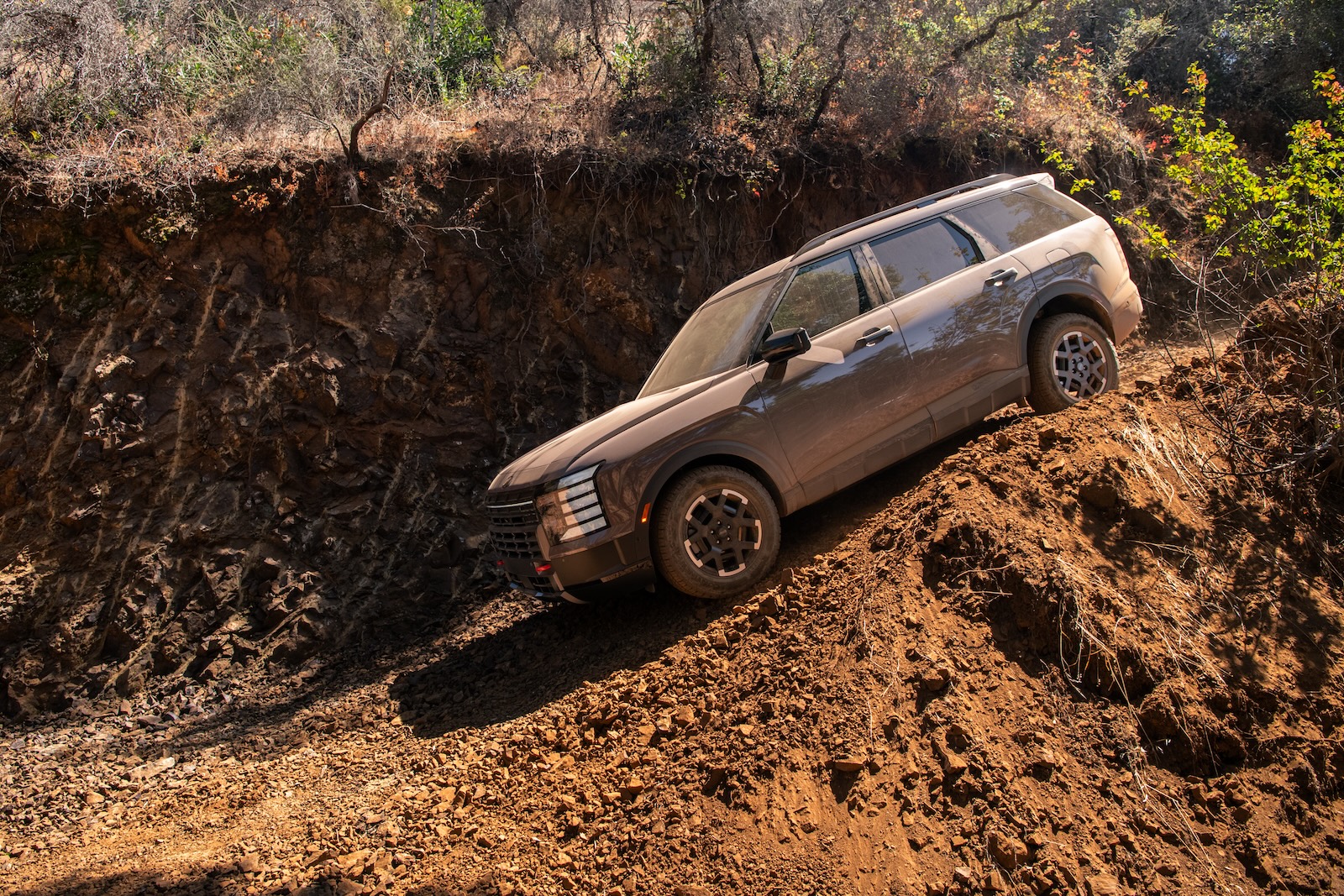
The rugged XRT Pro model is one thing that helps the Palisade stand out in the segment. Bolstering its off-road credentials are:
— 8.4 inches of ground clearance (a 1-inch boost over other trims),
— Rear electronic limited-slip differential (increases traction on difficult terrain)
— Improved approach (20.5°), departure (22.4°), and breakover (18.3°) geometry
— All-terrain tires
— Surround View Monitor with forward ground view
— Real-time pitch & roll, compass, and elevation displays
— HTRAC all-wheel drive
— Mud, Sand, and Snow terrain modes (helpful not only off-road, but in areas with inclement winter weather)
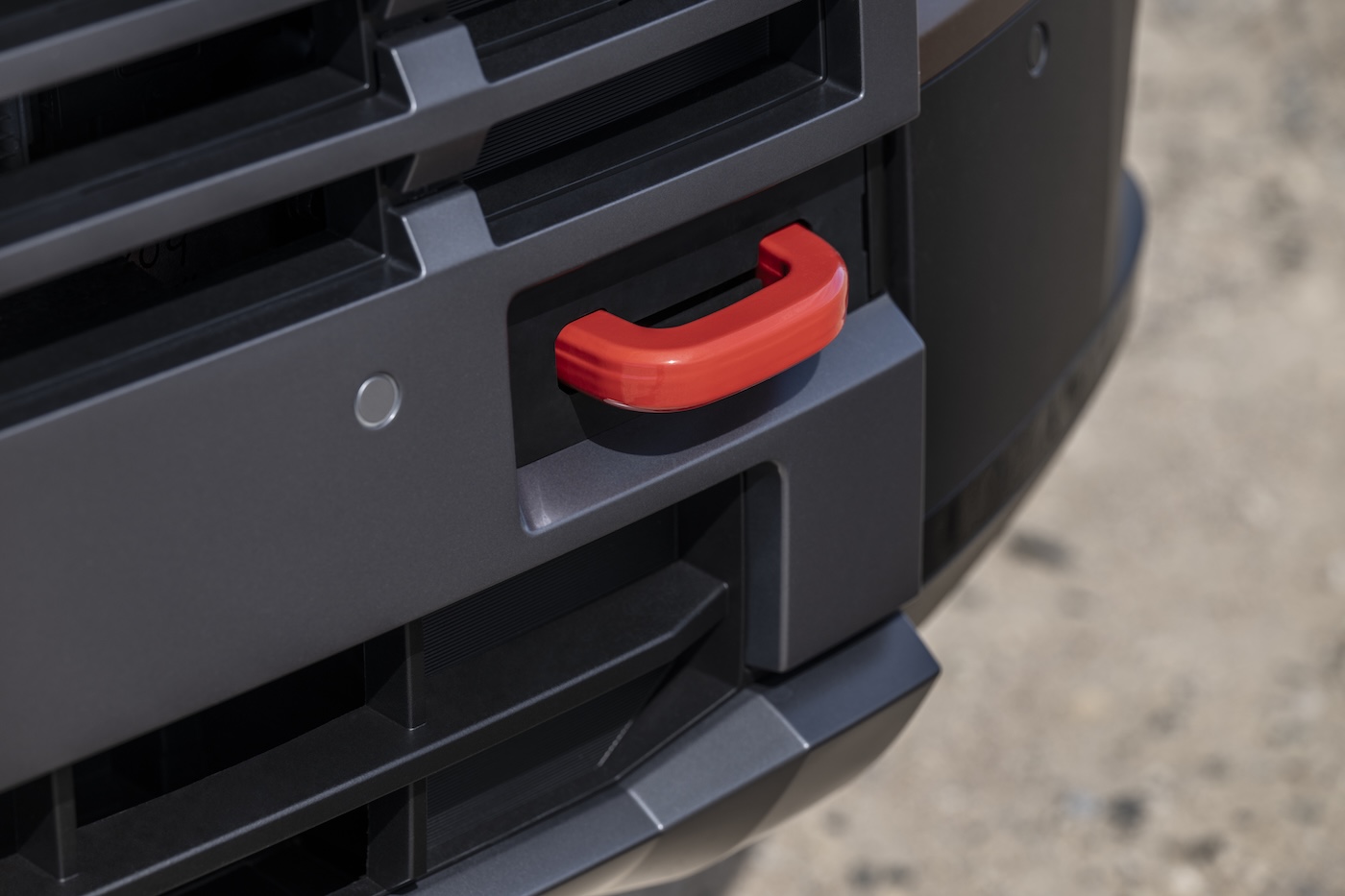
— Recovery hooks in front and rear
— Downhill Brake Control
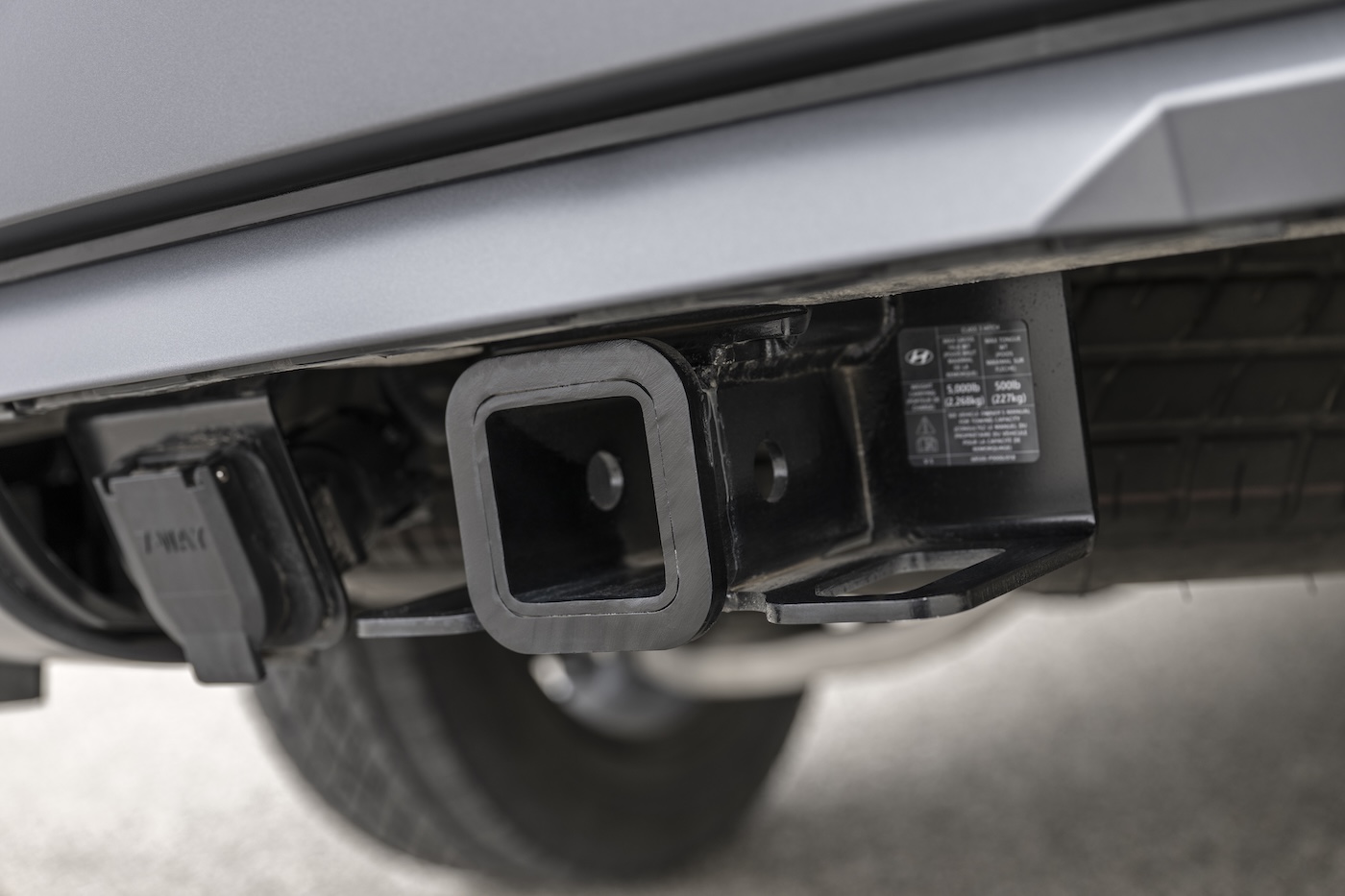
— Tow mode (and a factory-installed tow hitch with conceal panel)
Towing capacity maxes out at a respectable 5,000 pounds (or 4,000 pounds if you opt for the hybrid).
TECHNOLOGY, SAFETY
The 2026 Palisade features an extremely well-designed and easy-to-use technology setup.
Its large touchscreen is user-friendly, well-organized and easy to customize. Voice commands are effective for radio and navigation controls, and you can ask verbal questions that the system will answer with help of AI (kind of like an in-car verbal web browser that talks back to you).
The center touchscreen revolves around a large, 12.3-inch screen and a second 12.3 digital screen sits in front of the driver to display key information. The two screens are housed within one long curved display.
The sound system is sharp, with the Palisade offering a 14-speaker Bose premium quality sound setup, and if you’d like to mirror your phone to the center screen, there is wireless Android Auto and Apple CarPlay connectivity. Satellite radio is included with a 90-day trial.
A wireless phone charger is included, along with multiple USB ports throughout the vehicle, a 115V power outlet, and a Wi-Fi hotspot. Your smartphone can also be used as a Digital Key to open the vehicle, and other functions can be controlled on the vehicle via smartphone app.
The Palisade is also loaded with strong safety features. A rearview camera with a Surround View around the car is especially helpful in parking situations — providing large,clear images and a full view around the Palisade, including animation.
You get a full array of airbags, and other safety features include:
— Forward Collision-Avoidance (assists with braking)
— Lane Keeping Assist
— Forward Attention Warning
— Blind-Spot Collision Warning and Blind-Spot View Monitor
— Rear Cross-Traffic Collision-Avoidance Assist
— Rear Occupant Alert
— Smart Cruise Control
— Highway Driving Assist
The redesigned Palisade also offers an integrated, dual-camera Dash Cam system that can continuously record while driving as well as when you are parked.
MPG
The official fuel mileage numbers listed on the Palisade XRT Pro model, with all-wheel drive, are 16 city/22 highway/19 combined. Meanwhile, FWD versions of the 2026 Palisade are a bit better, at 19 city/25 highway/21 combined. These numbers are slightly behind the Palisade’s key rivals in the overall three-row SUV segment, but fare better when compared to SUVs focused on off-road ability.
I averaged 19 mpg driving the XRT Pro.
If you opt for the hybrid version of the Palisade (with FWD), you can improve fuel mileage significantly, moving up to 33 city/35 highway/34 combined, so that will be the favorite version for folks who prioritize fuel mileage. Even AWD versions of the hybrid get 29 combined MPG.
PRICE
The 2026 Hyundai Palisade that I tested was priced at just over $51,000; and the base price starts about $40K. Overall price range for the vehicles is from $40K to $56K, which allows for options that meet various budget levels. Trim levels include SE, SEL, SEL Convenience, SEL Premium, Limited, XRT Pro and Calligraphy.
The XRT Pro model, which I tested, sits in the low $50K range, which is about what you’ll pay for any off-road friendly vehicle of this size. Overall the price range is slightly higher than some rivals, but also is packed with features that some of those rivals that cost less may be missing.
If you are more of a fan of the hybrid version of the Palisade, those prices range from $44k to $58K. Trim levels on the hybrid offering include SEL, SEL Premium, Limited and Calligraphy.
The hybrid version of the Palisade starts from $44K, goes up to $58K. Going all the way up to Calligraphy levels will give you luxury-level quality and features that aren’t typically found in non-luxury brands like Hyundai.
Warranties are the best you can find, with Hyundai offering a 10-year/100,000 mile powertrain warranty, plus a 5-year/60,000 mile new vehicle warranty. Missing is complimentary maintenance, but you do get 5 years of roadside assistance.
BOTTOM LINE
The redesigned 2026 Hyundai Palisade offers an attractive look, upscale interior, excellent tech features, plus a new off-road friendly XRT option and a hybrid option.
Lack of power and acceleration is the main area of concern, but there are lots of reasons why this was voted the NACTOY Utility Vehicle of the year, and it’s one option that anyone looking for a three-row SUV will want to test drive.
===
AutoTechReviews.com can be found on Twitter @AutoTechReview, or stay updated at the AutoTechReviews Facebook page. Follow AutoTechReviews on Instagram at @Autotechreviews or on TikTok at @AutoTechReviews.. Matt Myftiu can be found on Twitter @MattMyftiu.