2026 Hyundai Santa Cruz pairs unique design with a smooth, powerful ride
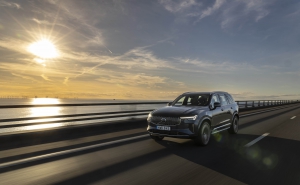
I’m a big fan of automakers being a bit adventurous in their designs, as it happens far too rarely.
One such example is the Hyundai Santa Cruz, which is a car-truck combo offering, taking a portion of the Hyundai Tucson SUV and adding a compact truck bed behind.
First launched for 2022, it’s still around for the 2026 model year, and I recently got to spend some time behind the wheel of a 2026 Santa Cruz.
Read on for a full report on how it holds up in this relatively small segment, where its only true rival is the Ford Maverick (semi-rivals include the Honda Ridgeline and Jeep Gladiator).
Mazda CX-5: 5 Things to Know, and a look ahead to 2026 redesign
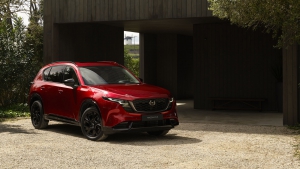
The Mazda CX-5 is a sharp-looking and fun-to-drive compact SUV.
There’s never been a question about that, and it’s true once again for the 2025 model year offering.
The question is whether to wait for a new one, or pick up a 2025 model, as it will be completely redesigned for 2026, kicking off the next generation of the vehicle.
Read on to learn 5 things you need to know about the 2025 CX-5, and some previews of what’s to come on the new 2026 version of the CX-5, which is getting a long-awaited redesign that improves roominess and tech features.
2025 Kia Sorento PHEV adds electric range to a solid three-row SUV
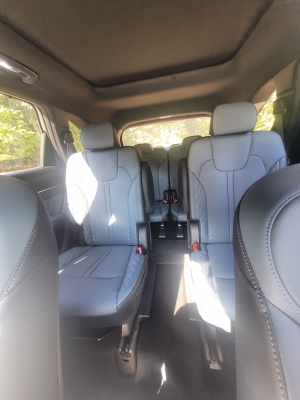
As car buyers look for alternatives to fully electric vehicles that are still eco-friendly, plug-in hybrids are emerging as a popular choice — offering some electric range, but also strong fuel mileage when operating on fossil fuels.
Many automakers, including Kia, are now offering PHEV offerings among their SUV lineups, and I recently tested the 2025 Sorento plug-in hybrid (specifically a SX-Prestige AWD model).
The Sorento falls between the Sportage and Telluride in the Kia SUV lineup, and is a three-row SUV option that is smaller than the popular Telluride. It comes in gas, hybrid and plug-in hybrid options.
Updates have been made to both the inside and outside of the Sorento PHEV for 2025, and tech improvements are made, making this one of the stronger plug-in hybrid options for buyers in this segment to consider.
Read on for my full take on the Sorento PHEV and who might want to pick one up.
With range, power and style, 2026 Kia EV9 sets a high bar for electric 3-row SUVs
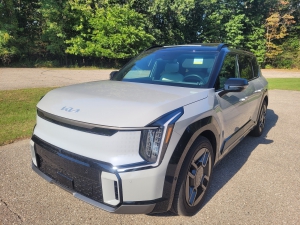
In the EV landscape, one area with a limited number of offerings to date is the three-row SUV. You have a few choices, but it’s not the smorgasbord of options you get with smaller EVs.
One brand not afraid to compete in this large EV category is Kia, which offers the Kia EV9, a three-row SUV that aims to deliver power, roominess and versatility, strong range and charging, and sharp design.
I recently tested a 2026 Kia EV9 GT-Line model, and can safely say that Kia has succeeded on all counts — arguably offering the best option in the category.
Competitors exist that each have their own strengths (including Hyundai Ioniq 9, Rivian R1S and Volvo EX90), but as an overall package it’s hard to top the EV9.
Read on for my full review of this fun and family-focused offering from Kia, which is now in its third year of production, and features new updates for 2026 such as compatibility with Tesla chargers.
New 2025 Subaru Forester hybrid adds a fuel-sipping alternative to lineup

Among the Subaru lineup, the Forester SUV consistently ranks as a top seller each year — in large part due to its utility and off-road friendly design.
For 2025, something brand new has come to the Forester lineup to bring in even more interest — a hybrid offering.
This was missing in past years — as many rivals had a hybrid version to offer buyers who wanted better fuel mileage — and now will be an enticing offer to many Subaru fans who want that improved fuel economy.
Boasting higher horsepower numbers than the non-hybrid version, and roughly 40 percent better fuel economy, it should have a positive impact on the Forester’s popularity.
I recently tested a 2025 Forester hybrid (Touring trim level), and I’m back with a full report on this new offering from Subaru — which will face off against hybrid SUV offerings from Toyota, Honda, Kia, Hyundai and more.
Redesigned 2025 Volkswagen Tiguan gets impressive interior, exterior updates
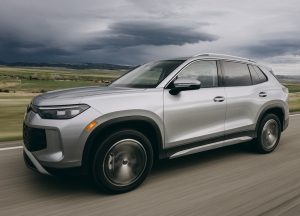
Volkswagen’s lineup of SUVs are a bit unique among the competitors in the non-luxury SUV segment, as they bring a bit of European flair to battle the long list of Asian and U.S. entries in the segment.
I recently spent some time with one of these VW SUVs, the all-new 2025 Volkswagen Tiguan, which gets a full redesign for the new model year.
The Tiguan is VW’s most popular vehicle in the U.S., edging out the larger Atlas, so maintaining interest in this vehicle is critical for the brand in this country.
Both the exterior and interior have been updated, and they added new technology setups and a more powerful engine. The Tiguan now comes standard with two rows across the board and no three-row option available, as it was in 2024 and prior years.
Read on to learn more about how the Tiguan holds up against other leading compact SUVs including the Honda CR-V, Hyundai Tucson, Kia Sportage, Ford Escape, and Toyota RAV4.
2025 Volkswagen Atlas Cross Sport is a sleek, stylish two-row SUV
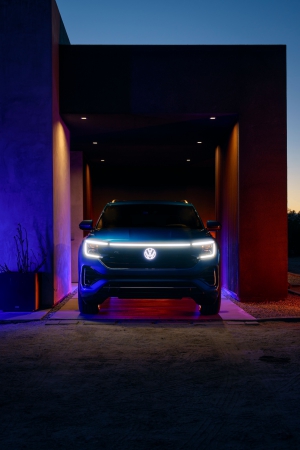
In the competitive SUV landscape of 2025, automakers must offer a variety of choices to fit all customer needs.
So it makes sense that Volkswagen offers an alternate version of its three-row Atlas SUV, the Atlas Cross Sport, which features just two rows of seats with room for 5 passengers, and ditches the third row.
The Atlas Cross Sport, first introduced for 2020, is aimed at car buyers who want a snazzier exterior design, and don't need room for more than 5 people in their vehicle.
I recently tested a 2025 Volkswagen Atlas Cross Sport, and I’m back with a full report on how it holds up against key competitors such as the Honda Passport, Jeep Grand Cherokee and Mazda CX-70.
2025 Mazda CX-90 delivers looks, power and class
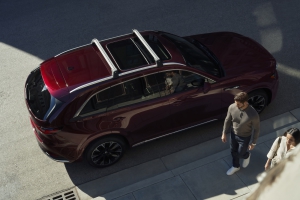
The top of the vehicle lineup from Mazda got a strong boost in 2024 with the outgoing three-row CX-9 model receiving a strong upgrade to the new three-row offering called the CX-90.
Beyond adding a zero to the name, the CX-90 was improved in just about every way, from looks to performance to tech — and after a strong debut, the CX-90 is back for year two in 2025, with few changes other than some trim level and feature shakeups.
I recently tested the 2025 CX-90 (a top-trim S Premium Plus trim-level model), which delivers one of the best driving experiences of any three-row SUV currently available.
Read on to learn how the CX-90 compares to three-row SUV rivals from competitors such as Kia (Telluride), Hyundai (Palisade), Honda (Pilot), Toyota (Grand Highlander), Ford (Explorer) and more.
Tiny 2025 Mazda CX-30 delivers loads of driving enjoyment
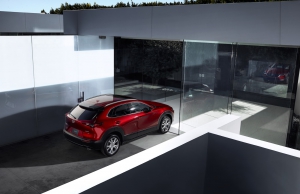
Small, fast and fun.
That’s the easiest way to describe the 2025 Mazda CX-30, a subcompact SUV which I recently got the chance to experience.
Specifically, I tested a 2025 Mazda CX-30 2.5 S Carbon Turbo model. The 2025 CX-30 sees little change from the previous model year.
The CX-30 is Mazda’s smallest SUV model, and it features a bold design, tiny interior, and a perky powerplant that packs a lot of punch into this small package.
As the market for tiny SUVs continues to be a popular one, especially with younger buyers who can’t afford or don’t want the behemoth SUVs of the past, vehicles like the CX-30 have a major opportunity for growth.
Read on to learn more about how this fun little ride compares in the segment — which includes offerings such as the Volkswagen Taos, Chevy Trailblazer, Hyundai Kona and more.
2025 Infiniti QX50: 5 Things to know
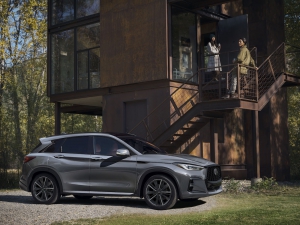
As buyers start to enter the luxury realm, they have to begin their journey somewhere — and typically these days that’s with a compact luxury SUV.
Everyone from BMW (X3) to Mercedes-Benz (GLC) to Genesis (GV70) and more offer solid offerings in the category, but one brand that’s been there a while and continues to offer respectable offerings is Infiniti.
I recently spent some time behind the wheel of the 2025 Infiniti QX50, the brand’s smallest SUV offering.
Read on to learn 5 key things you need to know if you’re considering the QX50 as part of your search for a luxury ride.
1. Sharp design
On the outside, the QX50 features bold styling, including a no-nonsense grille and standout lighting designs.
Wheels are offered at 19 or 20 inches and in flashy designs, sidelines have a sleek look, and despite its age (last redesign in 2019), the QX50 is still a looker — portraying itself as muscular, but not ridiculous or gaudy.
Moving inside, the QX50 is a comfortable, roomy vehicle for all five passengers. Infiniti continues to make among the most attractive and comfortable interior designs in the luxury segment. My test vehicle featured attractive two-tone red and black leather seating, and plenty of legroom in the back seat compared to rivals in the compact segment. It feels bigger than its class, and the materials are high-quality, though perhaps a bit less luxurious than some rivals.
News Categories

Popular Tags
Search Reviews by Make

AutoTechReviews is your home for In-depth reviews of the latest cars, trucks, and SUVs; information on all the emerging vehicle technology; and breaking news from the world of NASCAR and other motorsports.