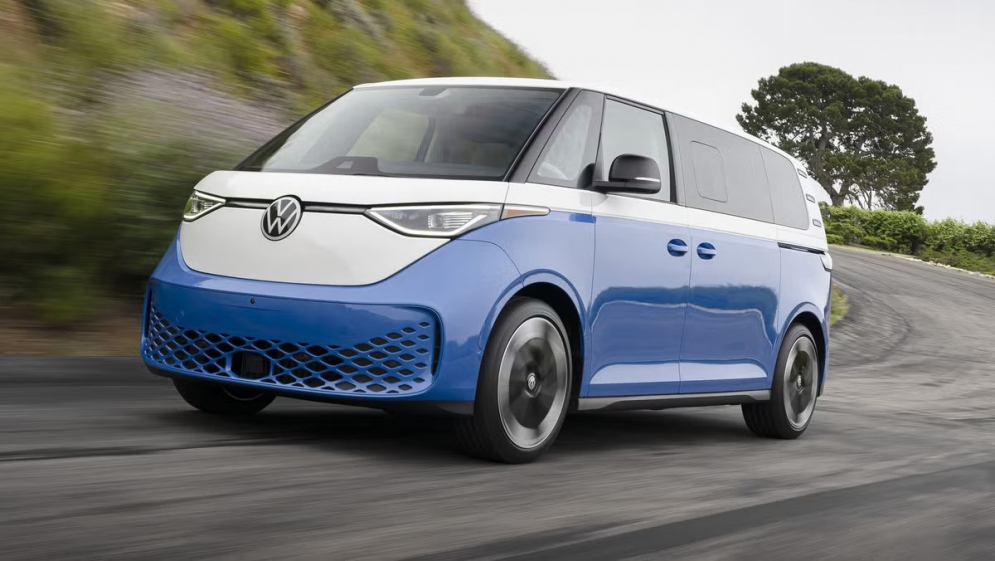
A total of twenty-five vehicles have moved on to the next round of judging for the 2025 North American Car, Truck and Utility Vehicle of the Year (NACTOY) Awards. Finalists will be announced Nov. 21, and winners will be announced at the Detroit Auto Show on January 10, 2025.
Ten cars, five trucks and ten utility vehicles have moved on in the judging.
2025 North American Car of the year candidates include:
BMW 3 series
BMW M5
Cadillac Celestiq
Dodge Charger EV
Fiat 500e
Honda Civic Hybrid
Kia K4
Mercedes-AMG E Class
Porshe Panamera
Toyota Camry
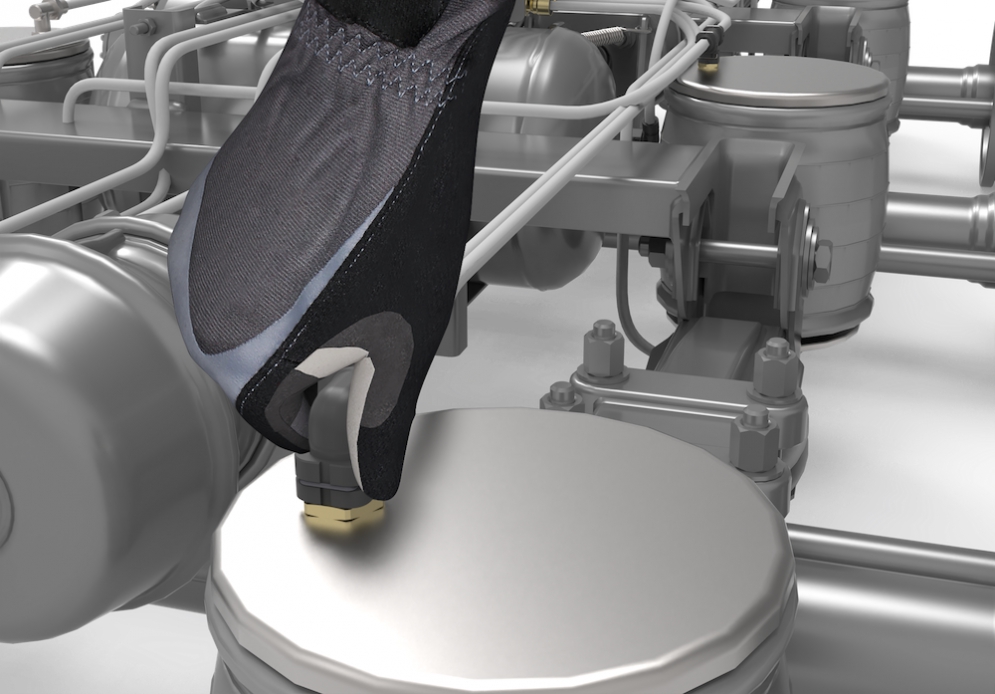
ARaymond, a global leader in fastening and assembly systems for more than a century, announced that it is expanding into the field of pneumatic systems for commercial vehicles — offering a full line of connectors, fasteners and tubes to be used as part of key vehicle systems such as braking and suspensions.
The new ARaymond pneumatics line, called AIRYOSA, will be showcased for the first time at the IAA Transportation 2024 gathering starting Sept. 17 and running through Sept. 22 in Hannover, Germany.
ARaymond’s leadership team said the AIRYOSA products expand on the company’s past knowledge and experience and brings it to a new sector.
“The cutting-edge AIRYOSA lineup breaks new ground for ARaymond and we’re excited about the path forward in the pneumatics sector. We are proud to release a new and complete set of products and solutions in the pneumatic market, leveraging our long-standing expertise in fluid handling for commercial vehicles,” said Gerald Vincent, ARaymond Global Commercial Vehicles Market Coordinator. “These products will provide improved safety, ergonomics, and sustainability during the assembly process and the vehicle’s lifetime.”
By Sébastien Frasse-Sombet
Senior Global Product Manager, ARaymond
As the automotive industry continues to evolve and electric vehicles (EVs) become more mainstream, innovations are affecting all vehicle components, including the fasteners and assembly systems used.
One such system is thermal management, a critical element of an EV, with dozens of connection points in each vehicle. The EV and its battery pack must be adequately cooled to ensure safe and efficient operation. It’s essential to secure all fluid lines to avoid leakage inside a battery pack or near the vehicle’s electric components.
Autonomous driving functions are expected to increase this requirement. During autonomous driving, a vehicle’s ADAS computer is cooled by the same liquid that cools the battery. Loss of function can damage the calculator from overheating, potentially leading to an accident. As a result, OEMs are increasing demands for secure connections and product traceability.
In addition to helping automakers ensure EVs are as safe as possible, advances in fastener solutions for thermal management are also making the process of building EVs more ergonomic — allowing suppliers to tailor and customize parts for each requirement. The result is a better and safer electric vehicle for drivers.
Safety first
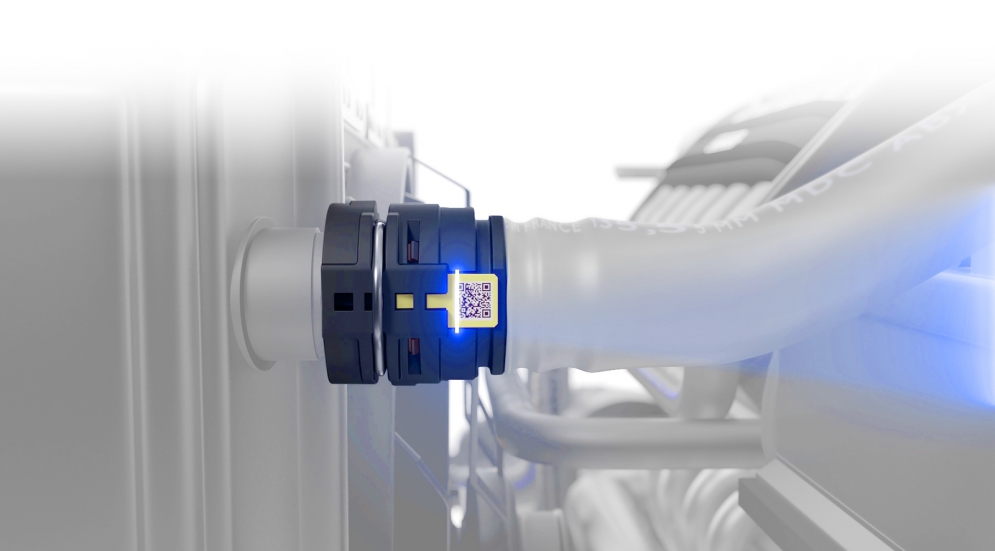
A key element of thermal management fluid interfaces is a reliable locking mechanism. This comes in many forms. Some quick connectors, when inserted, can provide visual, tactile, and audible confirmation — so an installer feels and hears when the connection is made.
Other options include the use of QR (quick-response) or DMC (datamatrix) codes, allowing for better traceability. QR codes are two-dimensional matrix barcodes invented in the mid-90s. They were initially created to track automotive parts during the assembly process and became widely used in consumer products in the 2000s.
DMC is also two-dimensional but square and can store a significant amount of information. For this reason, it’s becoming the preferred method of encoding data.
In either case, this data is available for review in the event of any concerns or maintenance issues with the vehicles. Such verification is critical for safety and traceability reasons, making identifying possible root causes of potential problems easier. Secured fasteners for thermal management systems and fluid line connections keep EV drivers and passengers safer, an essential goal for all automakers.
Better health
Advanced connection systems for EVs also mean improvements for the technicians building and installing these fastening solutions. This is because many connectors used on EVs have become low-push quick connectors — which means less insertion effort is required during installation.
This is important as it saves plant workers potential repetitive strain or musculoskeletal injuries from accessing the installation point continually throughout their shift.
Typically, these installation points can be challenging to access, increasing the chance of a faulty connection, which can lead to vehicle component damage or poor reliability. There’s also a significant number of connectors required in every EV.
Additionally, larger fluid lines are used, so a proper connection requires more force. When done manually, ergonomics are a concern. By simplifying the architecture of fastener installation, OEMs provide a safer workplace for employees assembling EVs while improving vehicle reliability.
Versatile designs
Automakers have specific requirements and specifications for their electric vehicle lineup. Special features and custom component designs have become essential. One such feature is lightweighting, especially for EVs where vehicle weight and range are significant.
Many custom designs are compressed in size so they fit into tight spaces. The trend toward smaller connectors allows for better space optimization and reduced weight. Part materials can be plastic or metal to serve the connection point best, whether for the battery pack or to seal in individual battery cells.
Suppliers can work with OEMs to offer environmentally friendly materials, eco-friendly designs, and a full lifecycle analysis of the parts. This allows suppliers to play an important role in helping OEMs reach their CSR goals. Custom designs further allow connections to be built for ease of assembly and serviceability, as well as with sustainability in mind. An improved sustainability model minimizes the OEM’s footprint while maximizing coolant flow.
While EVs are presenting new fastening challenges due to a focus on thermal management, the industry is rising to the challenge with products that improve vehicle safety, address ergonomic issues at the assembly level, and create customized solutions that will benefit the automakers and the environment.
Sébastien Frasse-Sombet is a Senior Global Product Manager for global automotive supplier ARaymond.

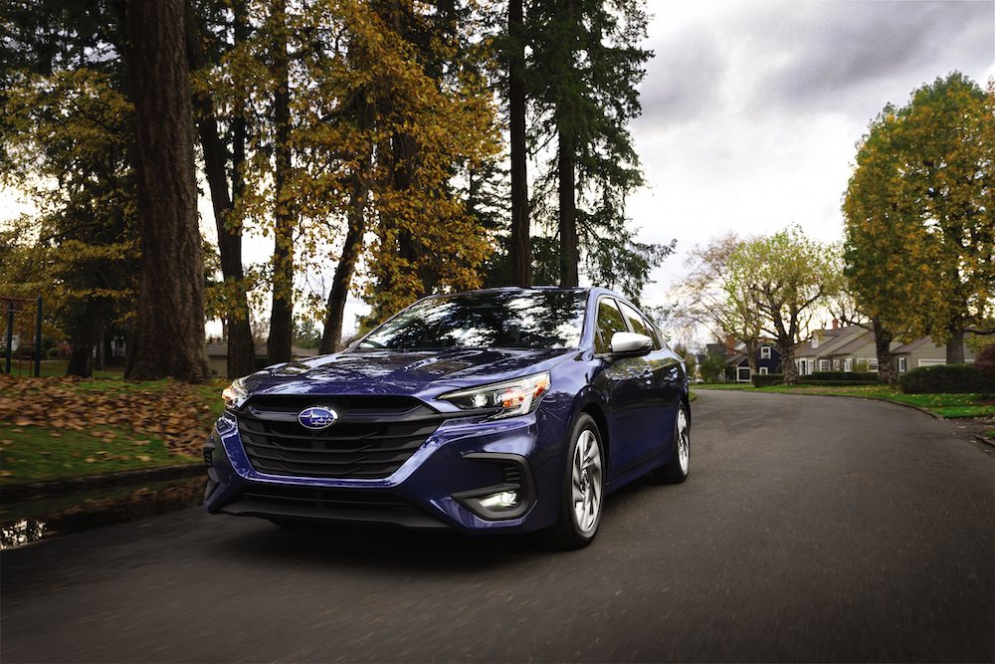
Continuing an ongoing trend as SUVs and trucks continue to dominate sales, yet another sedan has reached the end of its road.
Subaru has announced that production of the Subaru Legacy midsize sedan will conclude with the 2025 model year, with the last vehicles rolling off the assembly line in spring of 2025.
The Legacy first came to the U.S. market in 1989, making this the end of a 36-year run. Subaru claims that over 94% of Subaru Legacy vehicles sold in the last 10 years are still on the road today. The 2025 Legacy will be priced starting at just under $25K.
Since its debut, Legacy models sold in the U.S. have been assembled at Subaru of Indiana in Lafayette, Indiana. Through six generations of the car, it has generated 1.3 million sales in the U.S. and was the longest-running Subaru model.
With the loss of the Legacy, Subaru’s lineup will be even more focused on SUVs, and Subaru is also moving toward electric vehicles including its Solterra EV (and plans to offer eight EV models by the 2028 calendar year).
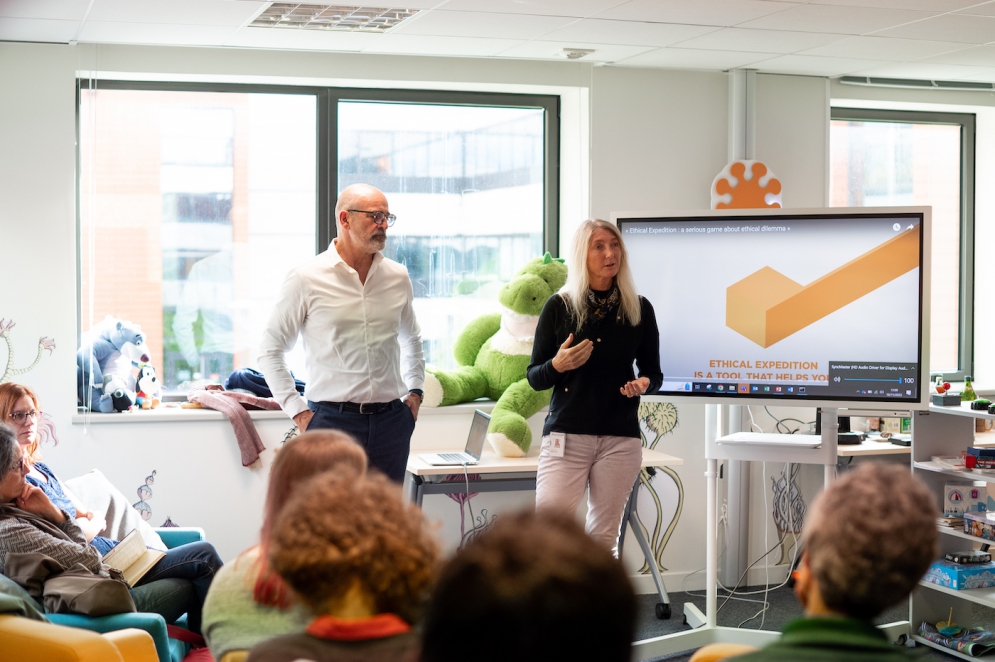
As we mark International Women’s Day this year on March 8, the theme for the 2024 global celebration is “Invest in Women; Accelerate Progress”. This theme represents the importance of companies shifting to a greener economic approach, while also recognizing that it’s critical to amplify the voices of women in these discussions.
One woman who is very familiar with these themes is Carole Neyrinck, Corporate Social Responsibility Manager for ARaymond, a global supplier of fastening systems for the automotive, energy, construction, agriculture, and healthcare industries.
ARaymond is based in France but has a U.S. headquarters in Rochester Hills, Michigan, and a presence throughout the globe in more than two dozen countries.
In this Q&A, Neyrinck shares her thoughts on her journey to her current leadership role at ARaymond, the overall state of women in the STEM industries, as well as how representation can be improved going forward:
Q: Tell us about your career journey, and how you got involved in sustainable development.
A: I spent three decades working as a biochemist engineer, after earning my bachelor’s and master’s degrees in this area. After a long career in the pharmaceutical industry, I joined ARaymond in my role as CSR manager starting in 2019. My job was always challenging, but I was able to raise my three children while working in production workshops and then implementing information systems. Soon after joining ARaymond to lead CSR, I began to focus on environmental goals, bringing clarity and structure in the approach so that the company acts in coordination for all projects in all departments. We work to limit our contributions to climate change, and with our partners to support them do the same. Some of them tried to push back, but I was strong and assertive, and trusted and encouraged by my management. I constantly develop my knowledge and skills, always learning and exploring new territories.
Q: Why is it important for companies to develop policies that recognize the impact of climate change?
A: When you think about climate change and the need to decarbonize, all companies are affected. We work to limit our contributions to climate change, and with our suppliers to help them do the same. Taking care of the environment consistently has become an increasingly strong emphasis each year, as it’s no longer an option to ignore it.
Q: As we mark International Women’s Day, how has being a woman impacted you in your career?
A: I’m thankful that I was raised in a family with a mother who was very attentive to being independent, and not relying on anyone for your living condition. Having that as my background, I didn’t really feel different from a man in terms of my skills and competencies. I was raised with principles of equity and equality.
When I started working, in the team of my peers, I was the only woman. And my direct reports were only men. I was very young, only 25, and the men were sometimes 50 years old. Some of them tried to push back, but I was strong and assertive, and skilled and competent. For me, if you are competent and skilled, you will be recognized. I always tried to be as competent as possible, always learning. And now I’ve passed these important lessons from my mother onto my own children.
Q: What barriers or obstacles do women face in advancing their careers within the CSR field, and how can these challenges be addressed?
A: For women in industries where they are underrepresented, it's all about being confident in yourself. I’ve rarely felt differences between men and women in work, and in those rare cases, I would always stand up for myself when I felt disrespected. In those few instances, I would not let this pass, and was straightforward to tell the person not to do it again.
In terms of career advancement, mentoring is a key element that can help women advance in their careers, and can help build on the core skills you bring into a job. You must always be learning, and have programs in place to support that learning.
Having supportive bosses and mentoring programs — like I do in my current role at ARaymond — has been a key element of my ability to grow throughout my career, and I make sure we continue to offer that mentoring to young men and women today. A supportive male boss can help usher in a generation of confident new leaders that’s a strong mix of men and women. And in CSR, the number of women taking on key roles is quite encouraging.
A combination of solid roots, strong skills development and being in a group that empowers you will lead to the amplification of women’s voices in key roles both on the factory floor and in the boardroom.
Q: How important is it for companies in all industries to embrace CSR goals; and how important is it for women to have key roles in that implementation?
A: CSR goals are essential because the world is becoming more disrupted and complex, and our global success relies on diverse collaboration. We must anticipate risks and see opportunities to get better prepared, so we’ll be better positioned for sustainability. We recently joined a pact of 150 business leaders in France to commit to decarbonization, and our efforts in automotive, energy, construction, agriculture, and construction are all moving in an eco-friendly direction.
Women must be included in the conversations about this critical decarbonization planning. By nature, women are more focused on taking care of something for the long-term. Women are a key asset for CSR, and men are also needed there — a diversity of opinions is the key. Beyond gender diversity, we also need a mix of ages and cultures offering their input.
Q: As a female in a leadership role, what are the key changes you aspire to see for future generations? How can we attract more women to engineering and other STEM fields?
A: I see the role of the engineer developing to be more about the capacity to develop solutions that contribute to the common good, and not simply fulfilling customer expectation.
There is a role for women to play in that. Engineers need to develop solutions with a systemic approach, and consider the social implications of these solutions and how to make a positive contribution to the environment. The role of engineer is changing, and is more than just technical. People who can embrace this approach will succeed, including women from the current and future generations.

News Categories

Popular Tags
Search Reviews by Make

AutoTechReviews is your home for In-depth reviews of the latest cars, trucks, and SUVs; information on all the emerging vehicle technology; and breaking news from the world of NASCAR and other motorsports.